hazeljargent@gmail.com
https://gardensbyhazel.com
Hazel Argent Garden Design Studio
07975506573
Graduation year: 2024/25 GDD
Hazel Argent
Gardens grounded in nature
I am a finalist in the SGLD 2026 Student awards for my Design for the Environment project. I believe in sustainability, creativity, and excellence. My design philosophy is rooted in the commitment to creating gardens that not only respect nature but also inspire creativity in every detail. I strive to exceed expectations by incorporating innovative design principles that harmonise with the environment. By blending artistry with ecological responsibility, I aim to craft spaces that are both beautiful and sustainable for generations to come.
Love the garden you live in.
Biography:
I am a garden designer creating thoughtful, naturalistic residential gardens across Cheshire, the Cotswolds, and beyond. My work blends creativity, craftsmanship, and a strong sense of place, connecting stylish homes with the surrounding landscape.
Shaped by my childhood in Southern Africa, my designs incorporate my deep appreciation for nature’s beauty and freedom to every project. My designs feel effortless and inviting — spaces for quiet reflection, everyday living, and gathering with loved ones.
Using quality, locally sourced materials and planting schemes that harmonise with their setting, I focus on subtle details that elevate each property. My approach to garden design ensures every space feels grounded, enduring, and uniquely personal.
My gardens connect people, place, and nature — landscapes that inspire and feel like home.
Instagram – @hazelargent_garden_designer
Facebook – @hazelargent
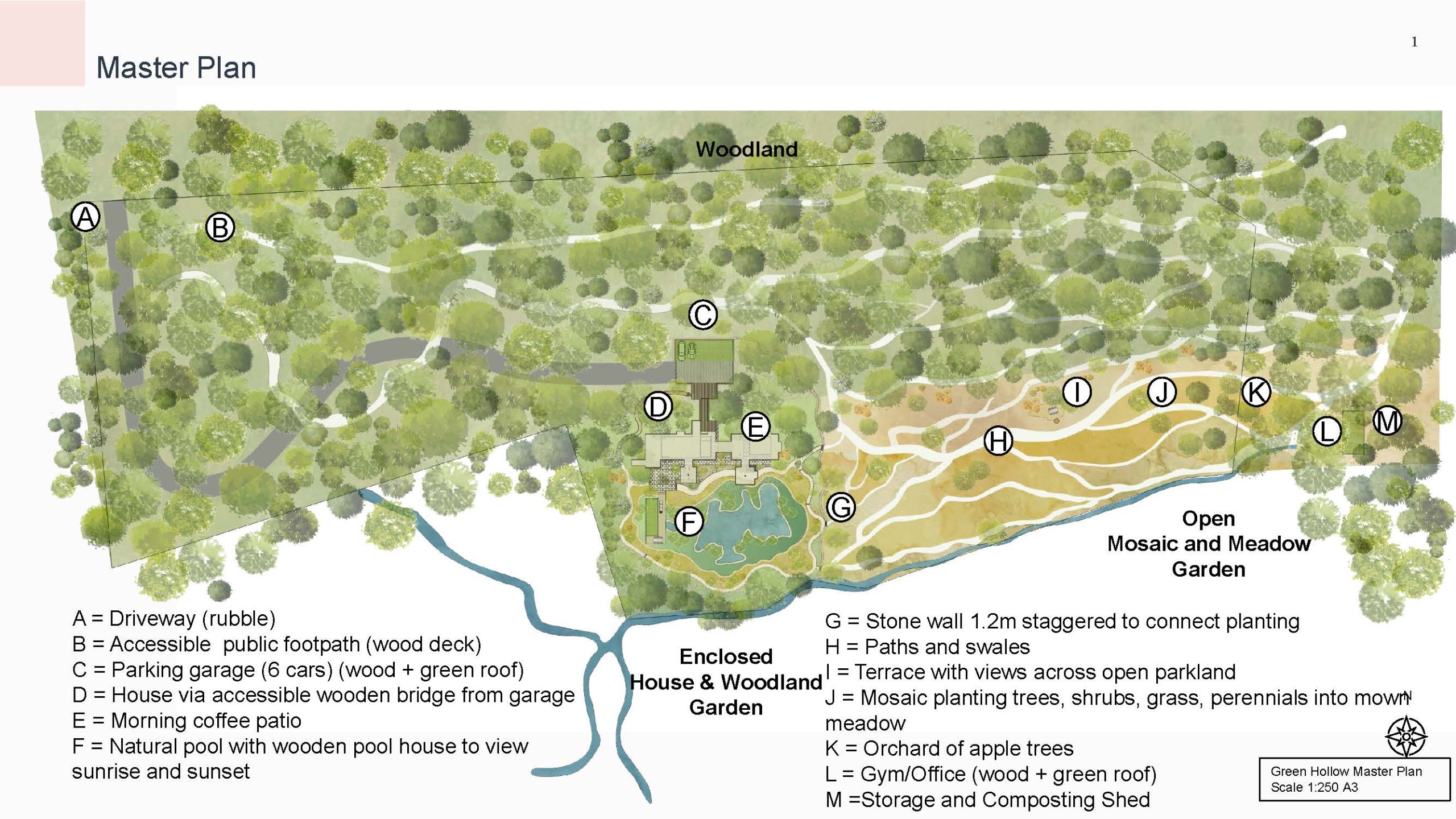
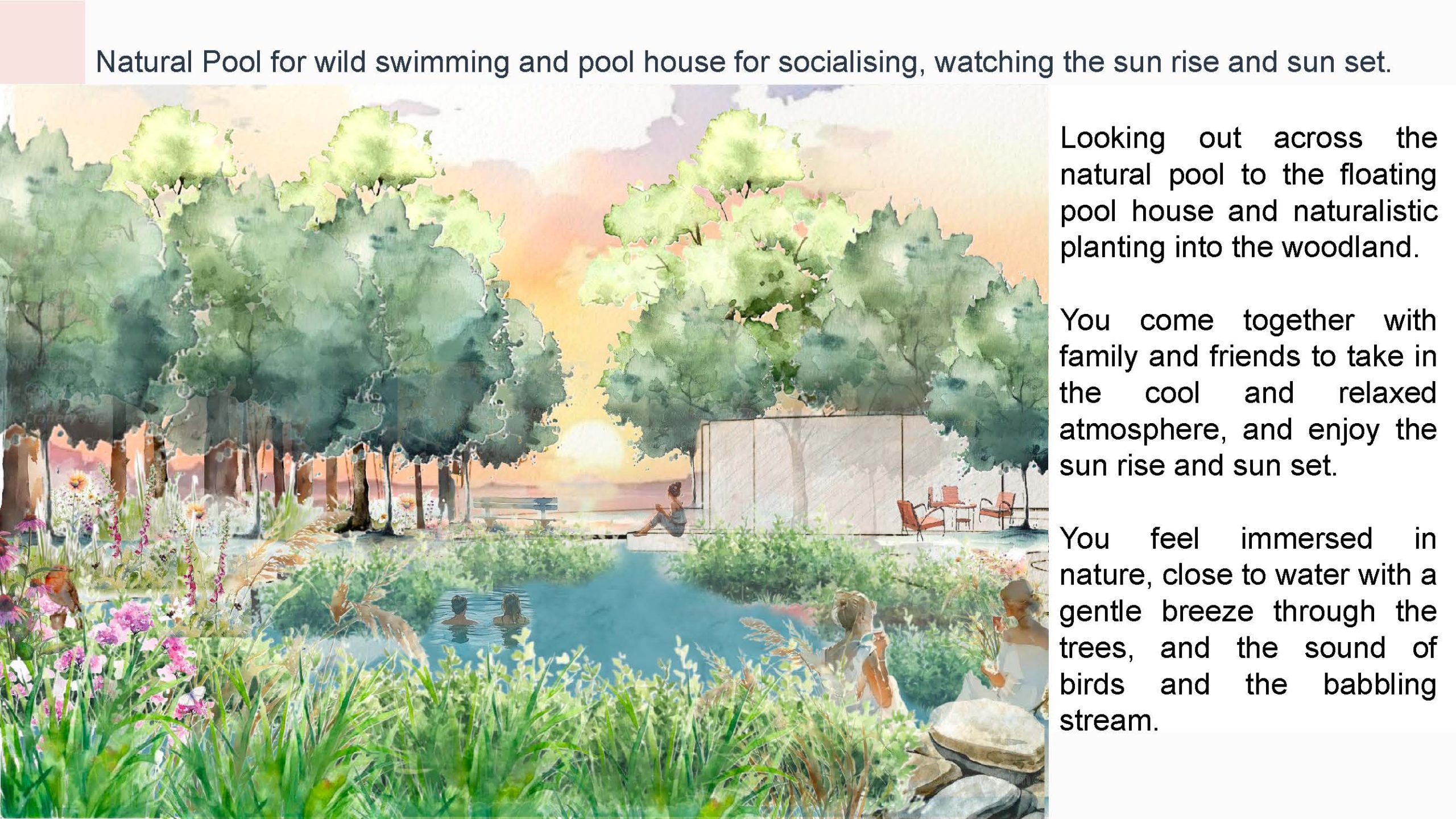
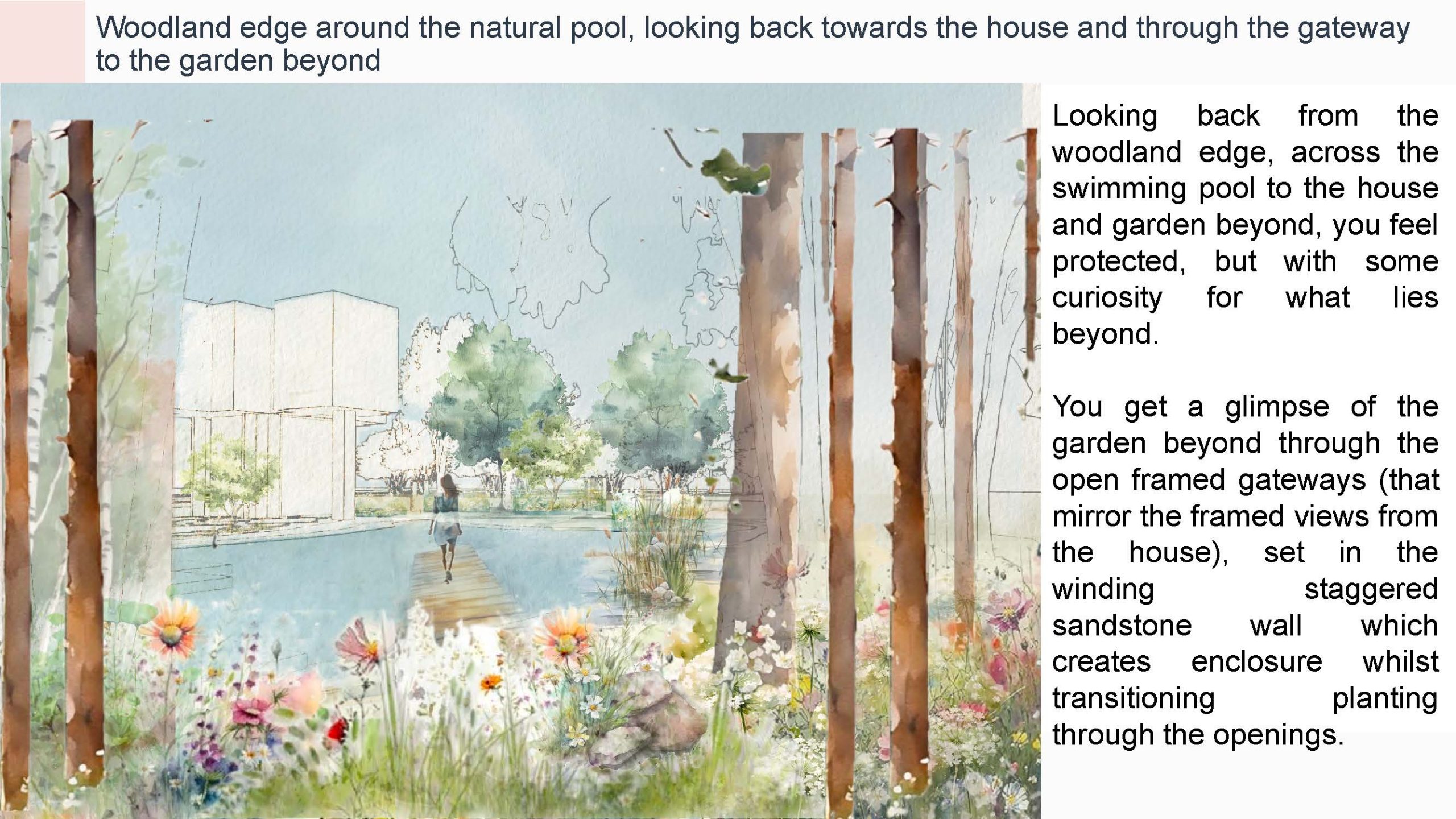
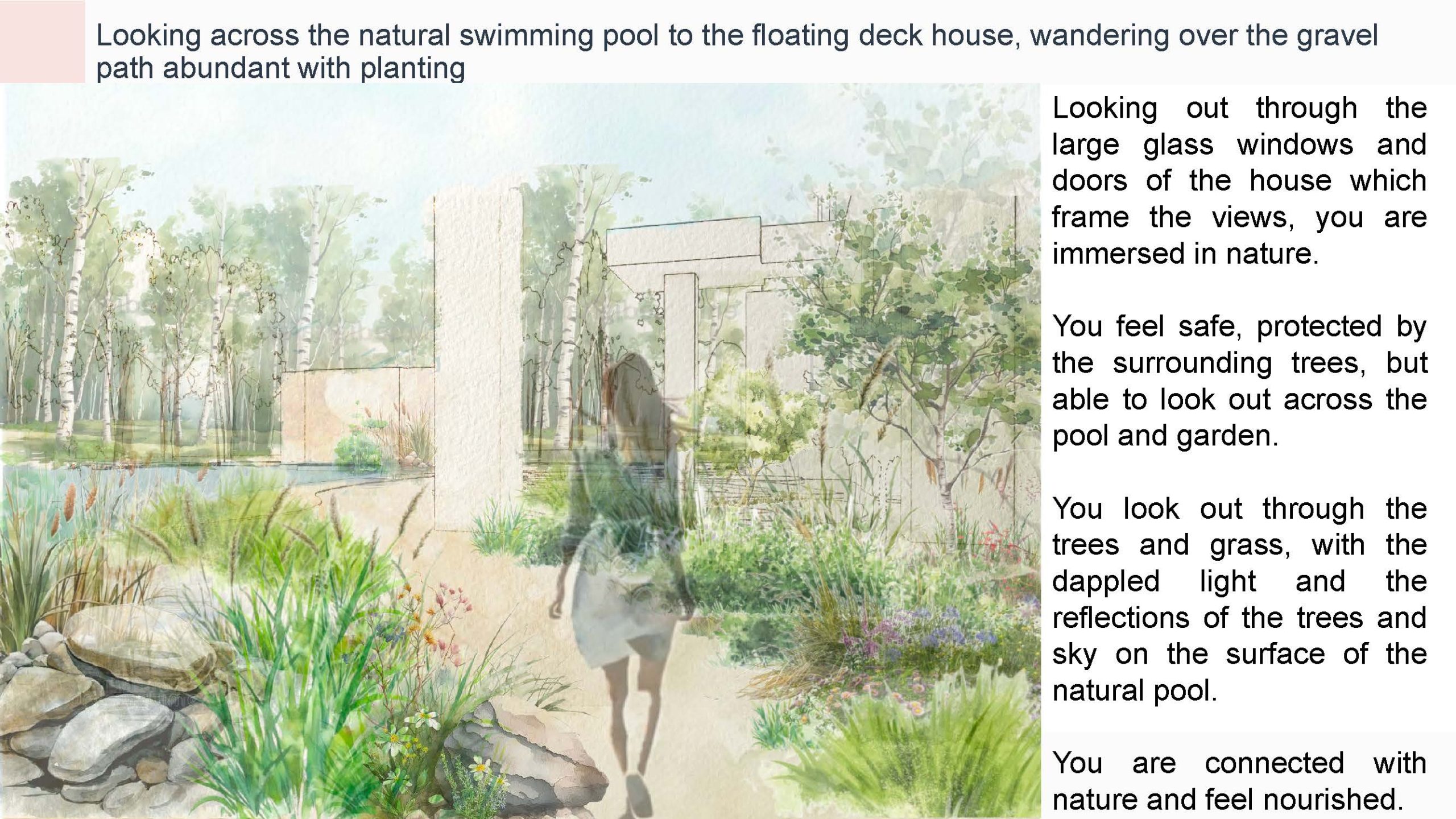
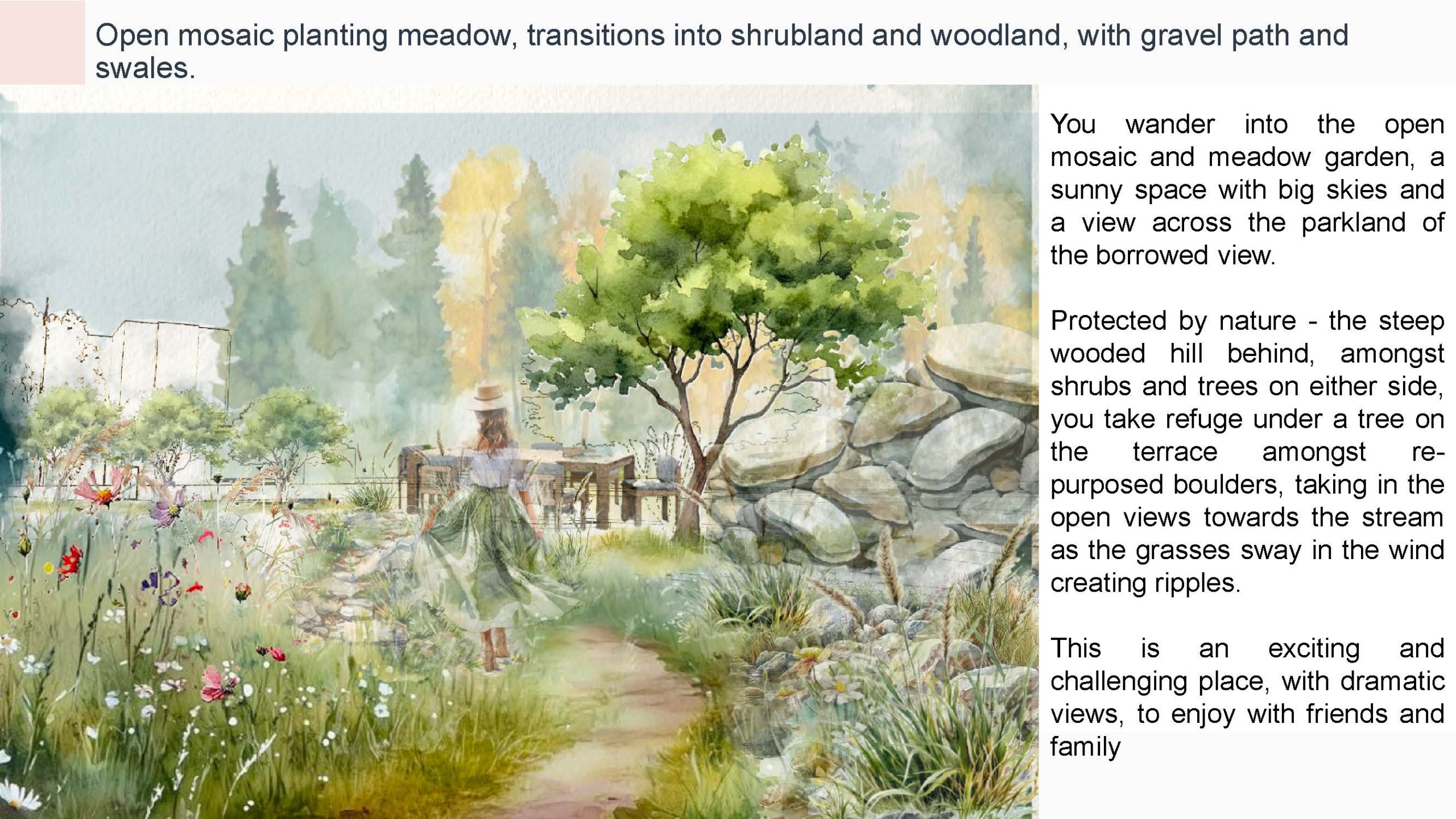
A six‑acre garden designed around a dramatic 20‑metre slope, mature woodland, and a new Modernist home built into the landform.
The design creates fluid connections between levels, introduces social spaces, a natural pool, and biodiverse low‑maintenance planting, all while retaining water on site and enhancing the feeling of being ‘built in nature’.
Design Approach
– Work with the natural contours to link the woodland, lower garden, and new house, creating areas of prospect and refuge inspired by the site’s original glacial stream.
– Reuse site‑sourced materials — stone, rubble, and timber — to reduce waste, add character, and create cohesive structures, habitats, and seating.
– Manage water sustainably through swales, landforms, and an organic natural pool that collects and retains rainwater for irrigation and circulation.
– Create a mosaic planting strategy that connects existing woodland, shrubs, meadows, and aquatic species, supporting biodiversity and seasonal interest.
– Prioritise wellbeing and accessibility with forest‑bathing routes, an upgraded accessible footpath, and thoughtful screening for privacy, supported by inclusive maintenance from the local college team.
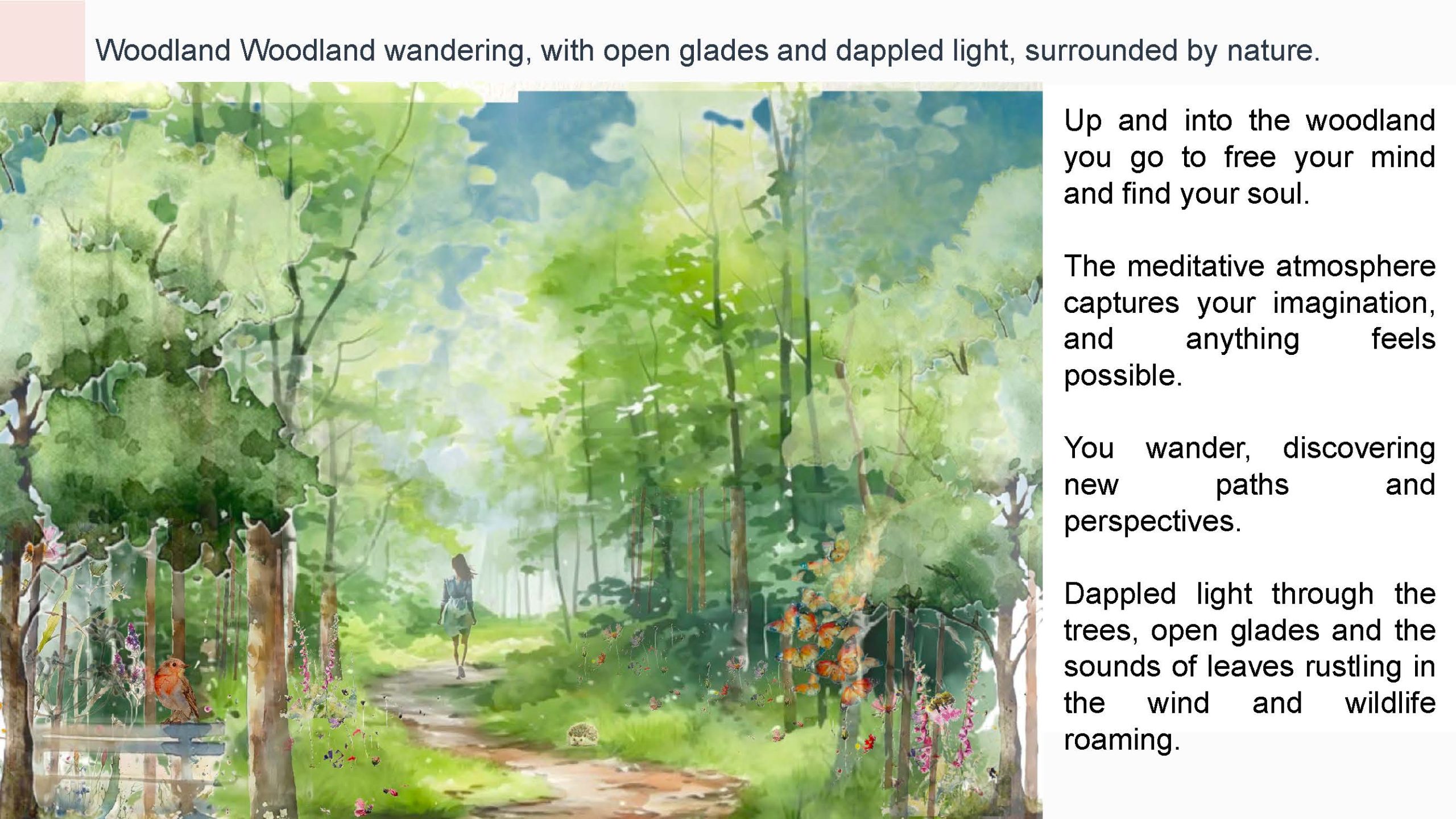
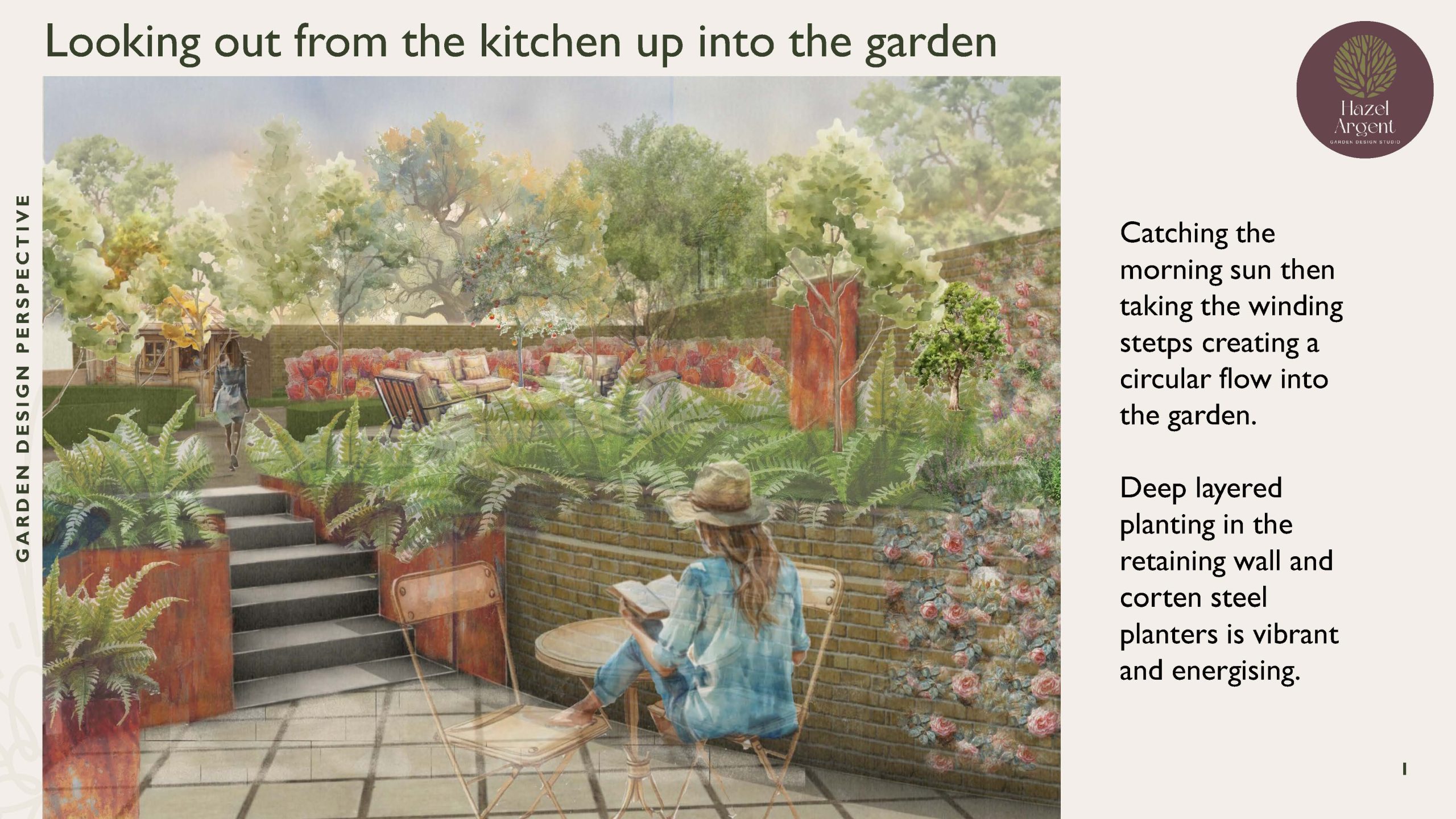
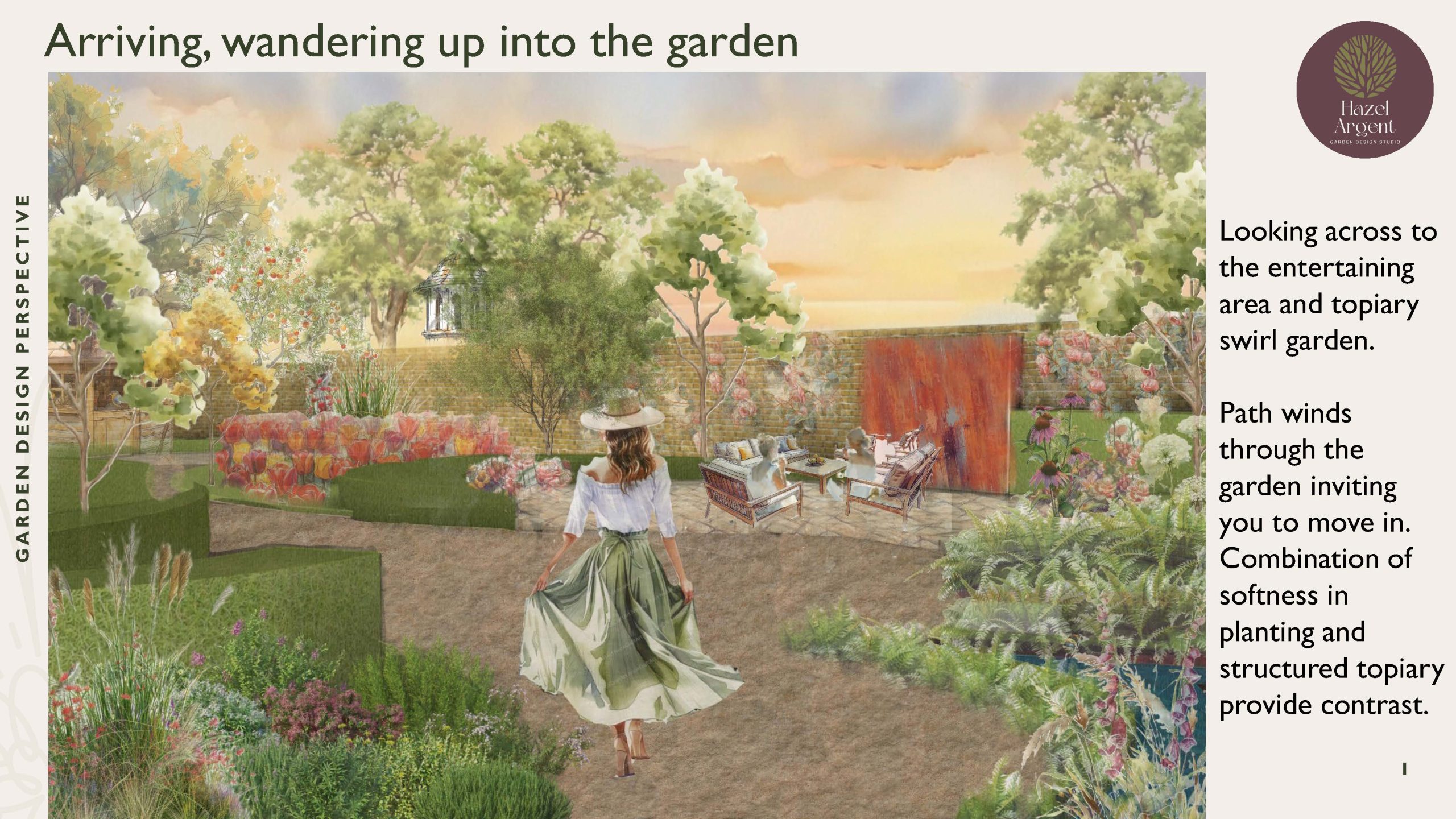
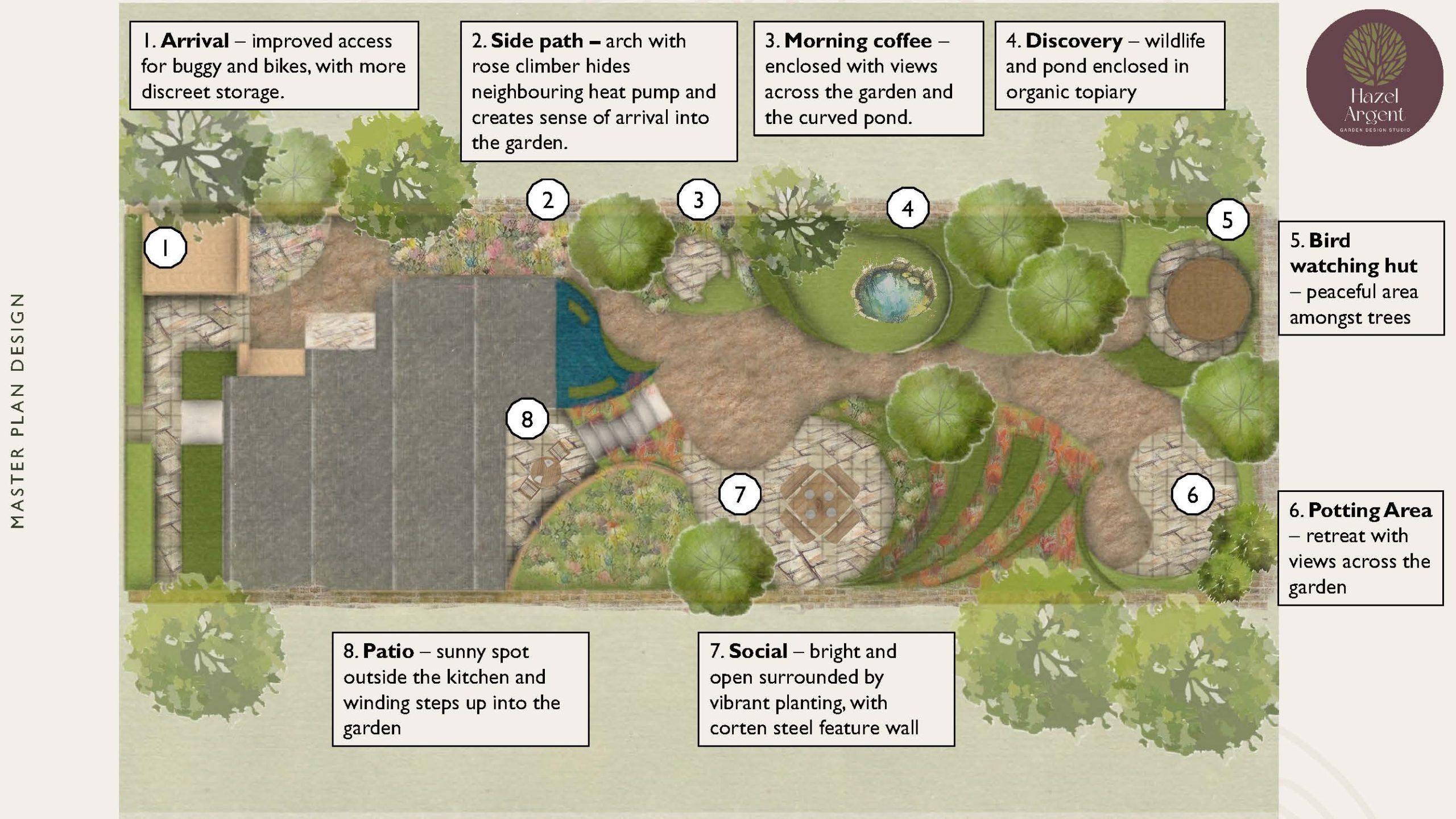
A Grade II listed home with a large walled garden redesigned to create functional, family‑friendly spaces for entertaining, play, discovery, and retreat.
The new garden elevates the character of the house, resolving practical issues while creating an inviting, emotionally rich landscape that feels cohesive, atmospheric, and deeply connected to the architecture.
Design Approach
– Balance softness and structure using natural materials, organic forms, and sculptural topiary to create fluid yet defined garden rooms.
– Shape a meandering, immersive journey with offset steps, winding paths, and layered views that reveal key spaces gradually and invite exploration.
– Craft atmosphere through light, shade, and texture, using planting and subtle spatial shifts to create moments of calm, play, and discovery.
– Use deep, vibrant planting and framed sightlines to connect the garden back to the house and create emotional variety across the space.
– Organise movement with a central spine, ensuring functional family areas feel cohesive, beautiful, and easy to navigate.
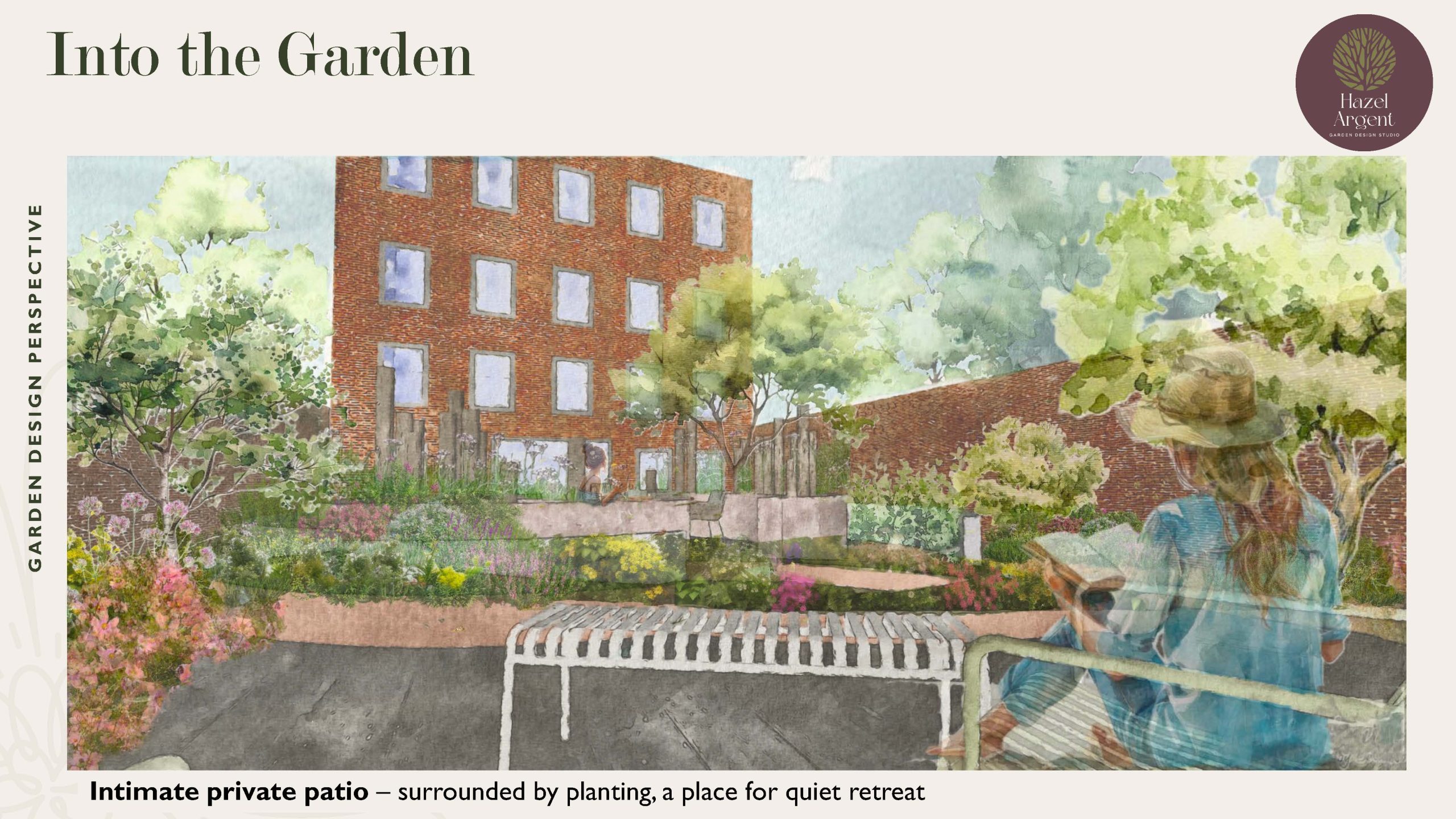
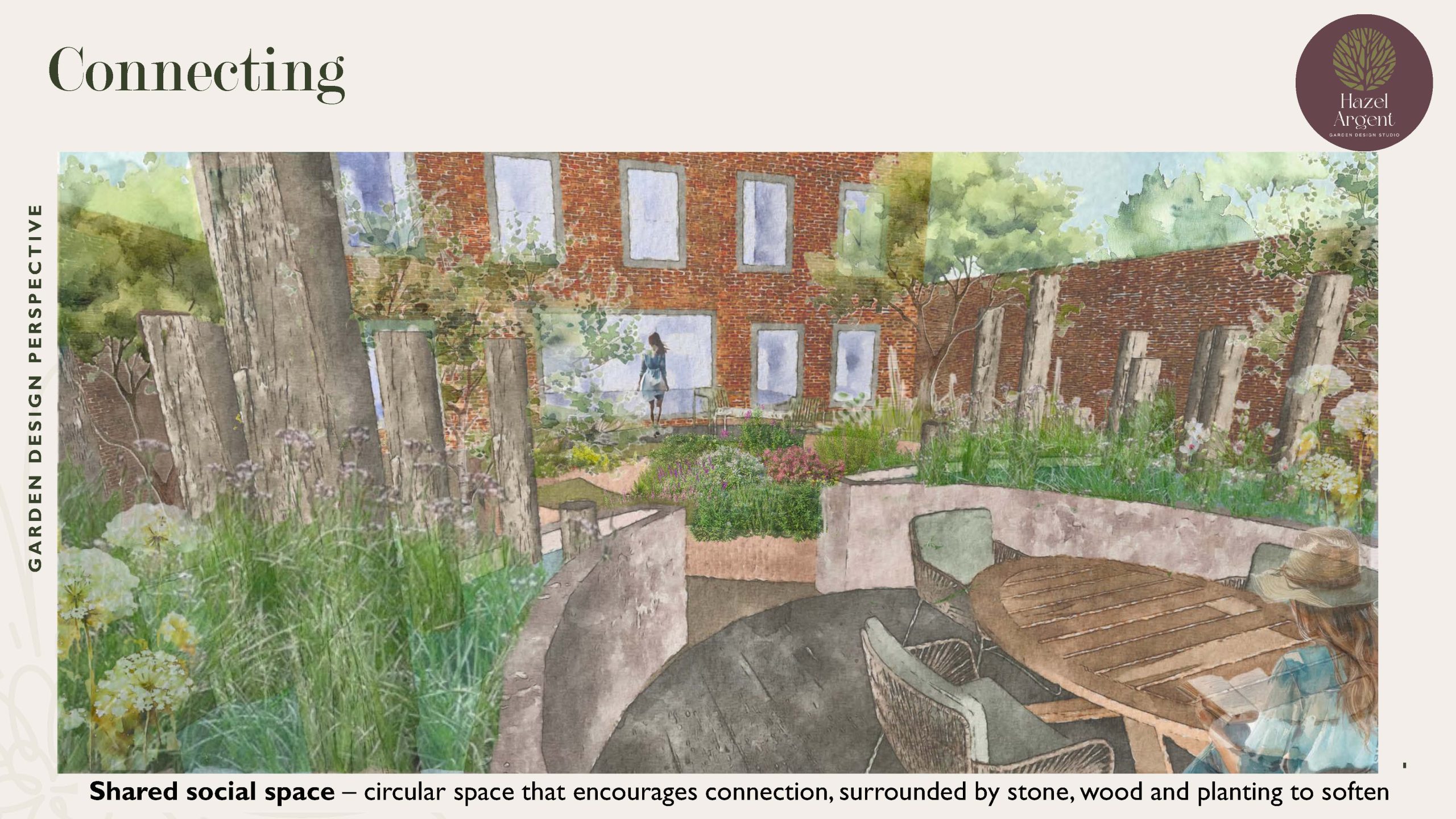
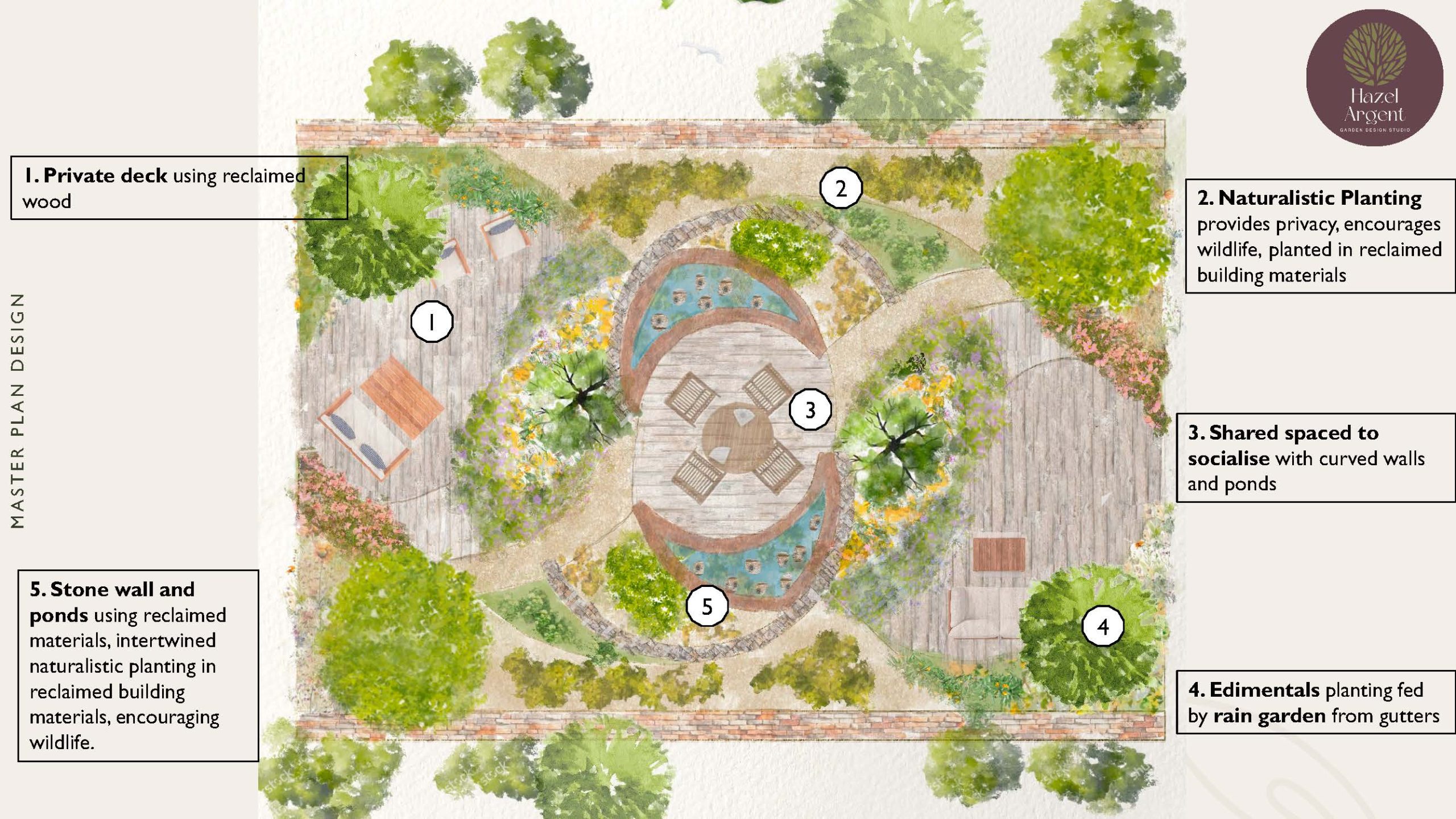
A 12m x 18m shared courtyard designed for apartments in Manchester’s historic Ancoats district, transforming a former mill setting into a flexible, sociable space for modern co‑living.
The design balances private patios and gardens with a shared central area shaped for relaxation, connection, and everyday enjoyment.
Design Approach
– Use soft geometry and cohesive materials to contrast the industrial architecture, with circular forms, light limestone, and layered planting creating a calm, harmonious atmosphere.
– Shape a central space for connection, using elliptical arcs, discreet entry points, and a circular water feature to encourage movement and shared use.
– Guide residents through the space with stepping‑stone pathways inspired by Jacquard punch patterns, creating intrigue and gentle direction.
– Provide privacy and enclosure through pleached Hornbeam, giving the courtyard scale, shelter, and a sense of retreat.
– Balance private and communal areas, ensuring each apartment has its own patio and garden while maintaining seamless access to the shared heart of the courtyard.
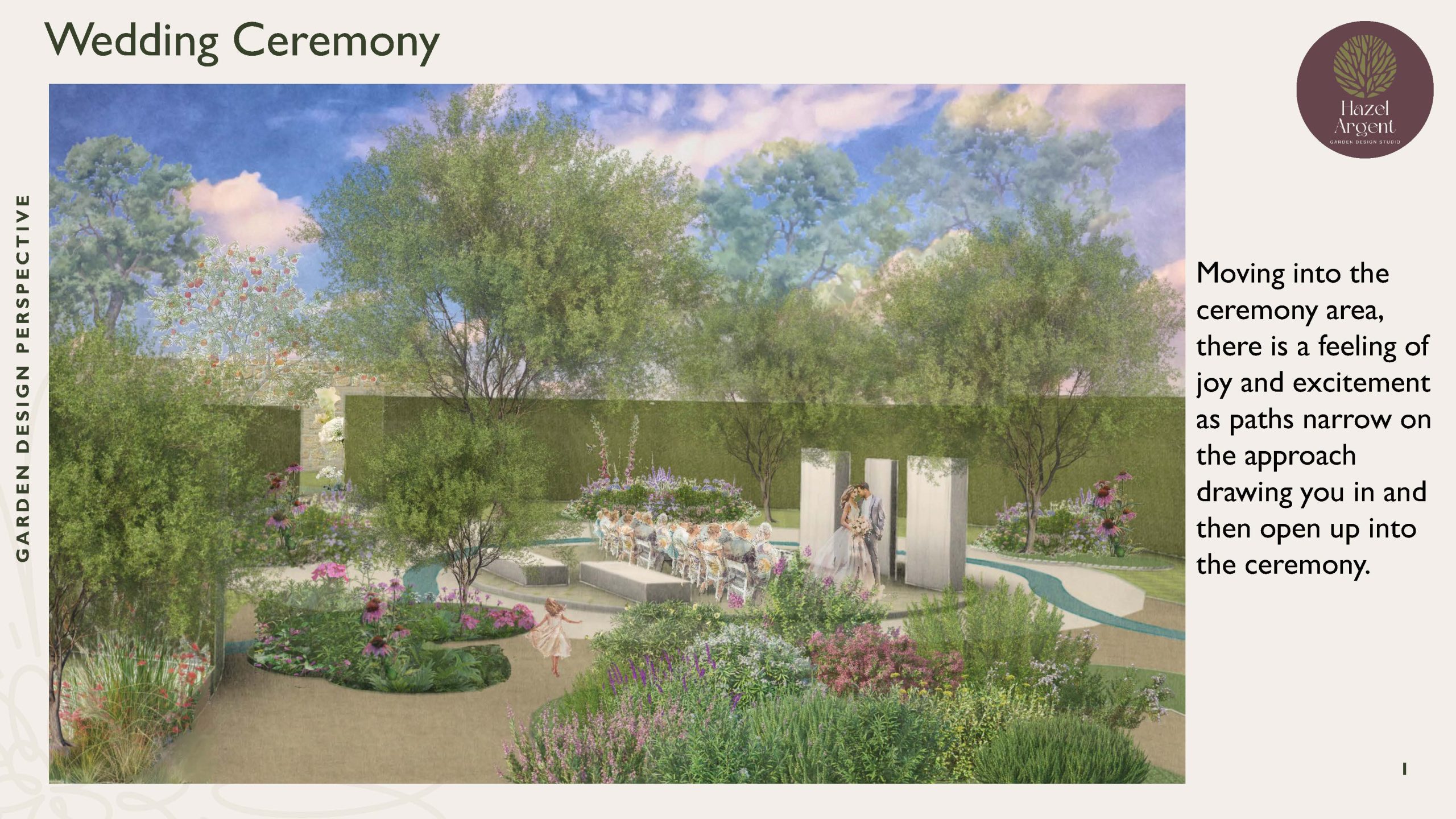
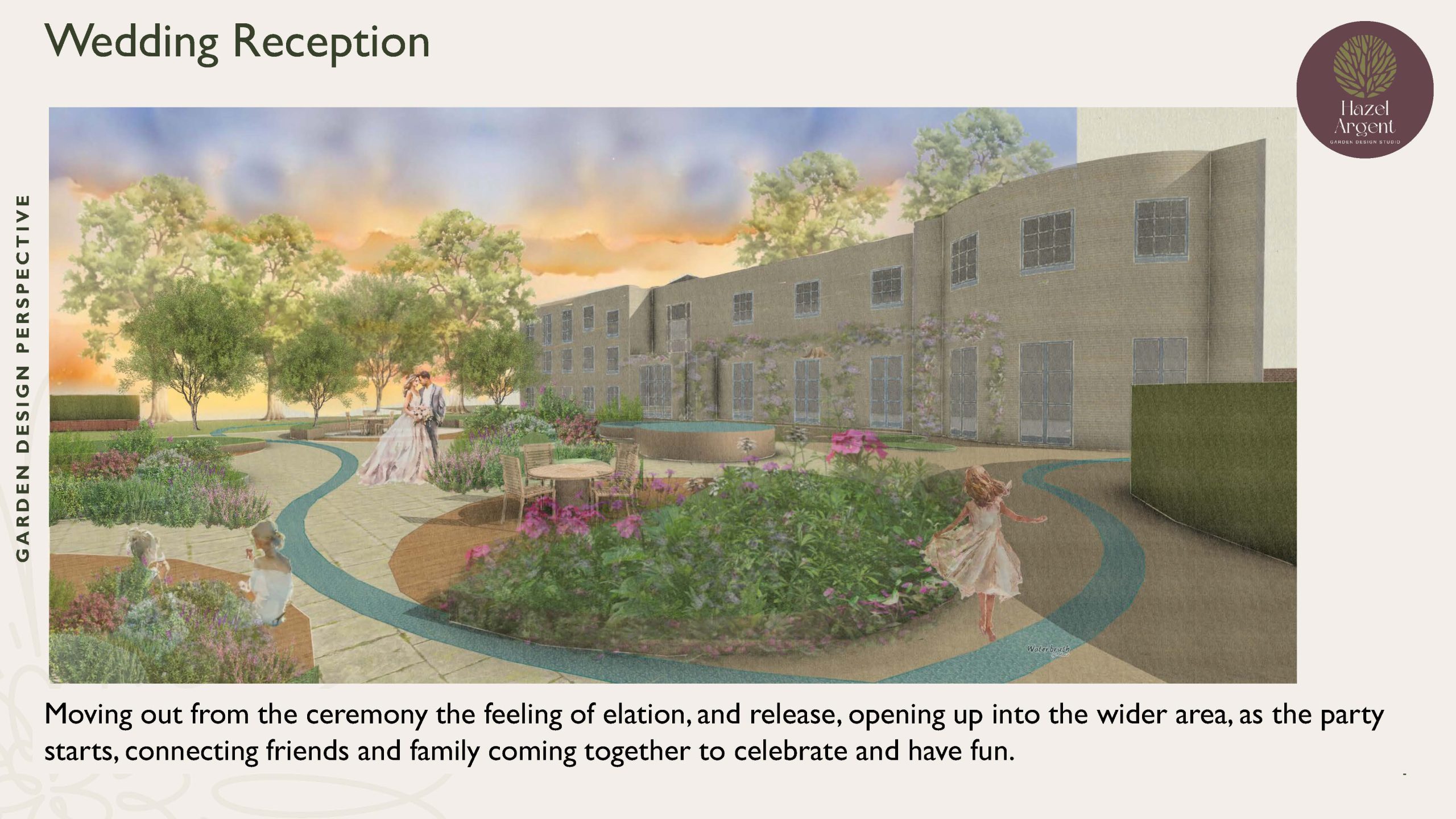
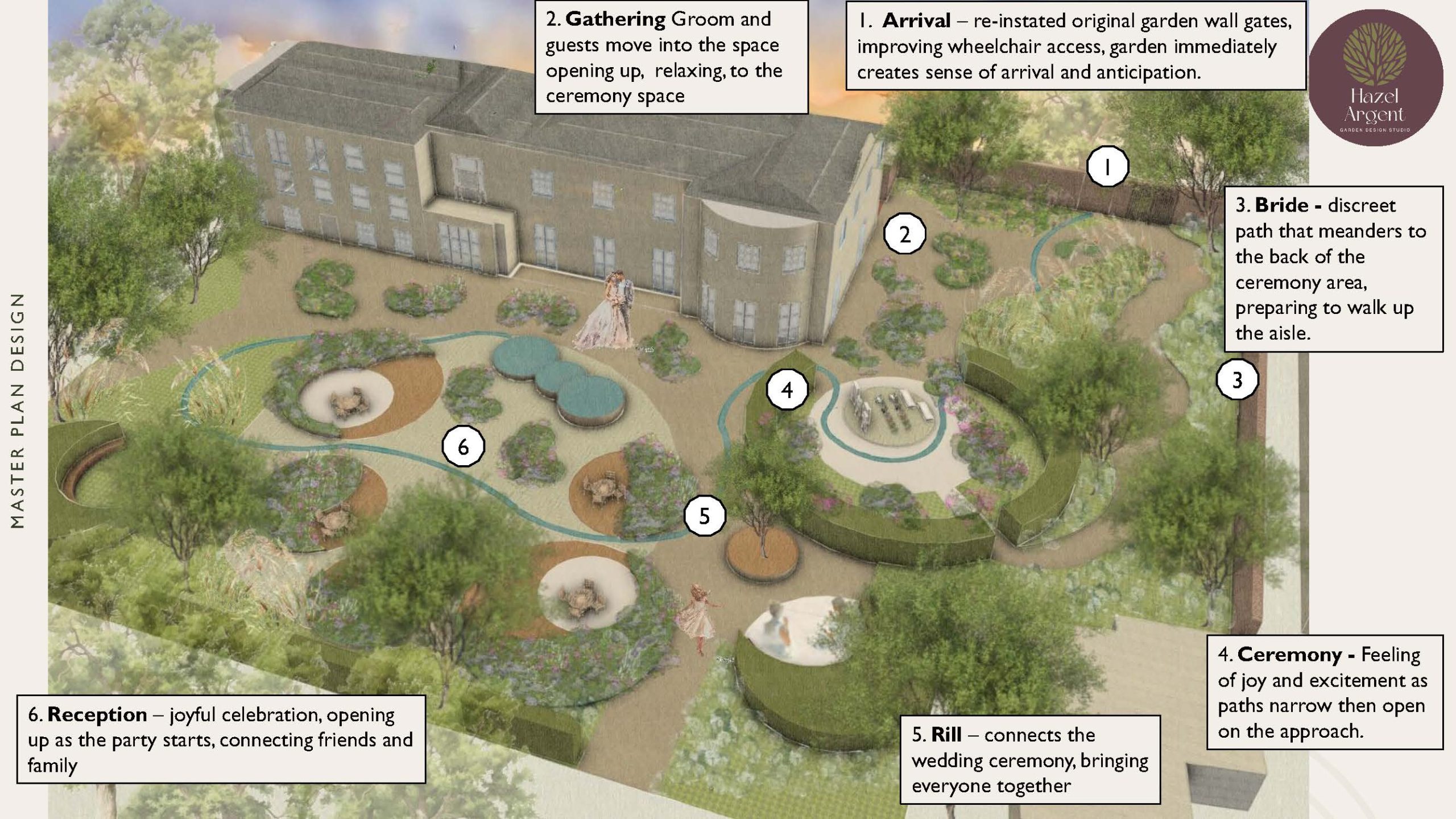
A flowing, experiential garden designed for Cambridge Cottage, a Victorian Grade II listed wedding venue within Kew Gardens.
The space enhances the historic character of the building while providing a beautiful, flexible backdrop for ceremonies, photography, and year‑round use.
Inspired by the idea of memories on the beach, and the movement of seafoam, the garden creates an emotional journey that links the venue to the wider landscape of Kew.
Design Approach
– Shape an intuitive, flowing layout that guides guests through arrival, ceremony, and celebration, while offering moments for connection and quiet retreat.
– Use organic, seafoam‑inspired forms to create a sense of movement and continuity, linking the garden’s spaces into one cohesive experience.
– Build atmosphere through planting and structure, with a rill acting as the unifying thread that holds the garden together.
– Reflect emotional transitions through planting, shifting subtly from anticipation to joy to calm as guests move through the garden.
– Balance elegance with practicality, ensuring the garden works beautifully for weddings, photography, and everyday visitors while respecting heritage and protected trees.