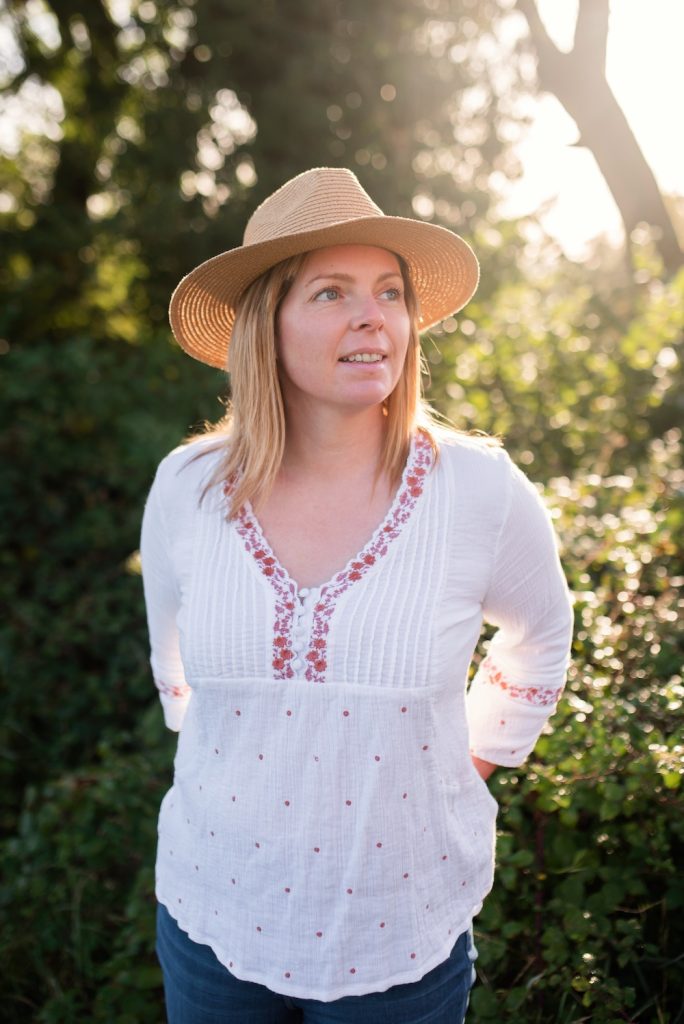
Sarah Wilson
Sarah changed to a career in horticulture in 2009, after moving from London to East Sussex. She studied RHS Levels 2 and 3 in Horticulture and launched her own garden maintenance company in 2010.
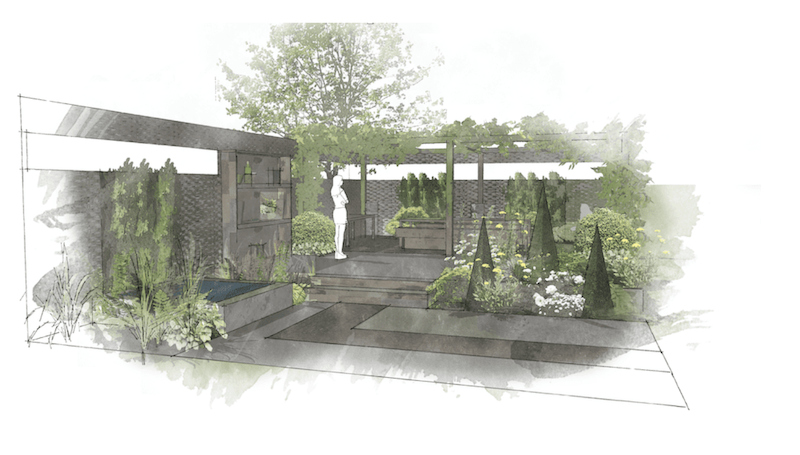
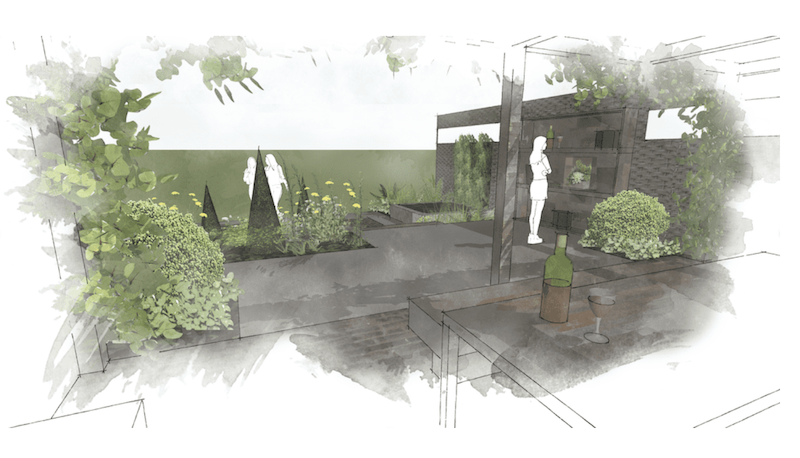
Sarah graduated from the London College of Garden Design in 2014 and has since worked on a number of design projects in London and the South East. She won a Gold at RHS Hampton Court for her conceptual Synaesthesia Garden and designed a garden for the Besiktas International Flower Show in Istanbul in May 2016. She also designed a garden at RHS Cardiff 2017 on behalf of Macmillan Cancer Support.
Sarah works predominantly on planting design and designing therapeutic gardens, focusing on sustainable and ecologically sound spaces that support biodiversity and people.
She also hosts Roots and All, a globally chart-topping gardening podcast.
Instagram @rootsandallpod
Facebook @rootsandalluk
The Legacy Garden Concept: “The true meaning of life is to plant trees, under whose shade you do not expect to sit” – Nelson Henderson
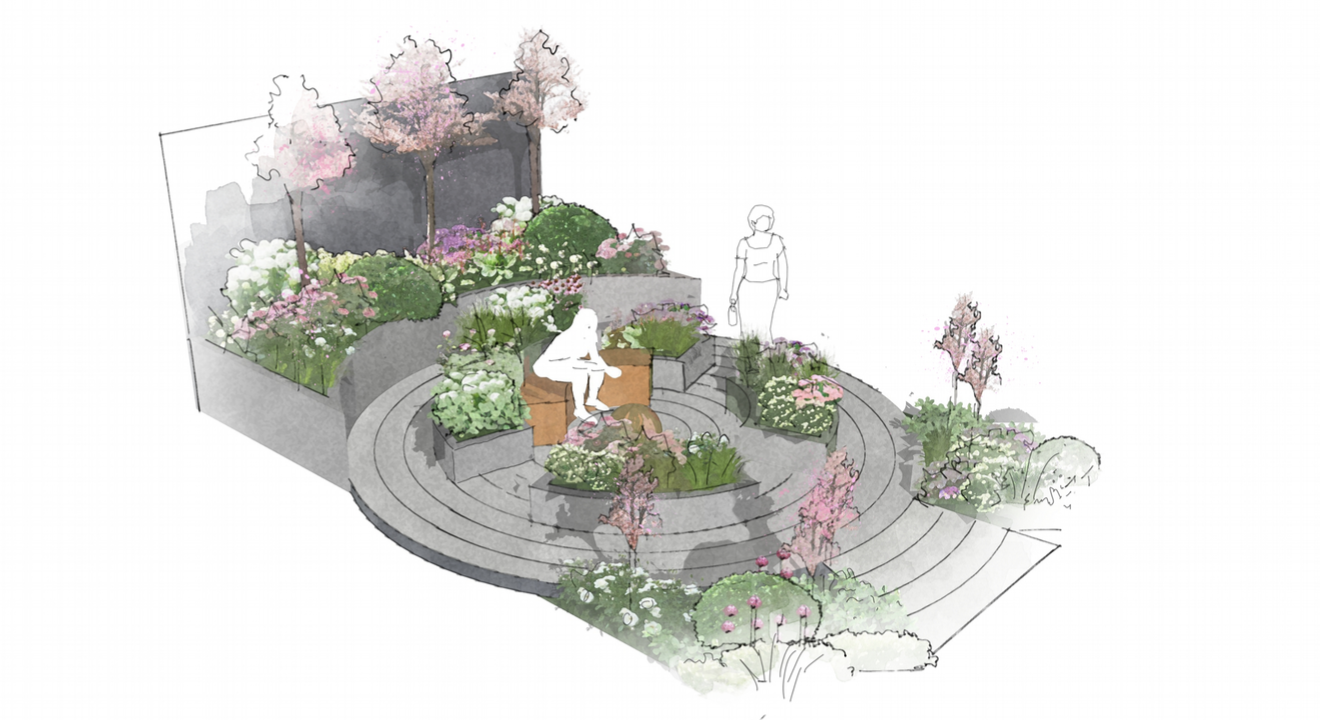
The garden is designed so the visitor, whether real or imagined, is placed at the centre. The wooden sculpture in the middle is inscribed with the above quote. The features within the garden such as the concentric circles in the paving and the planting patterns radiate out from the centre, representing the ripple effects created by a person’s actions.
The idea that the actions a person takes in the present can have positive future consequences they may not necessarily see is further reinforced by the use of trees at various stages of maturity. Juvenile trees will be used in the areas of planting nearest to the bench, with three mature specimens used against the back wall. These are used to illustrate the Henderson quotation and can also be used as a reference point when linking the garden to the topic of wills and legacies.
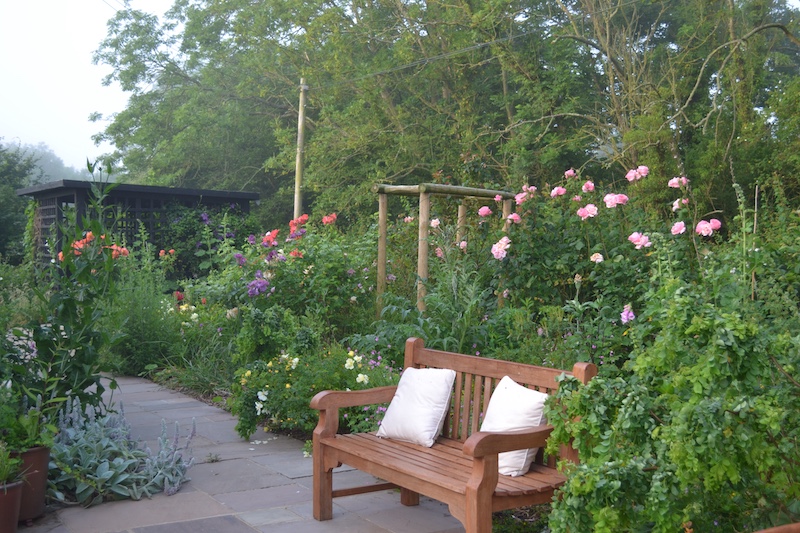
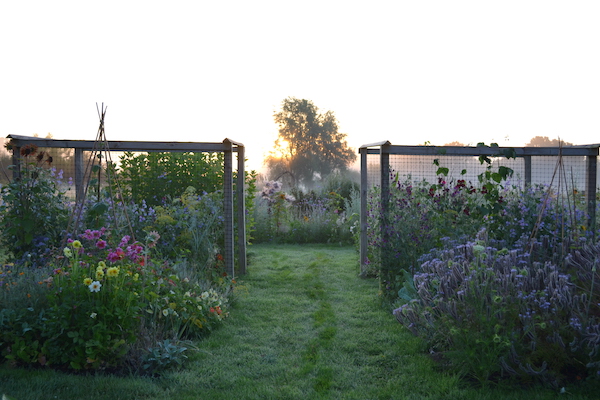
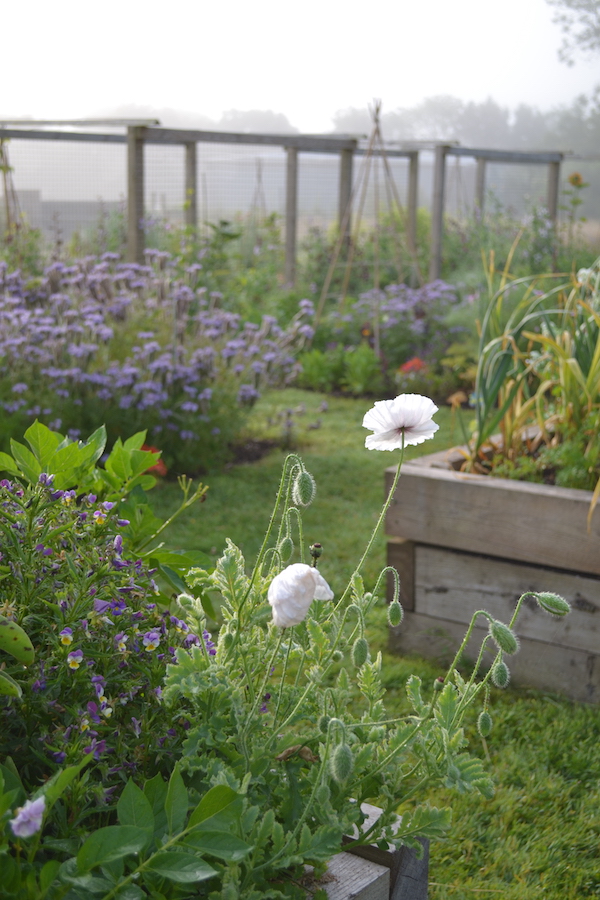
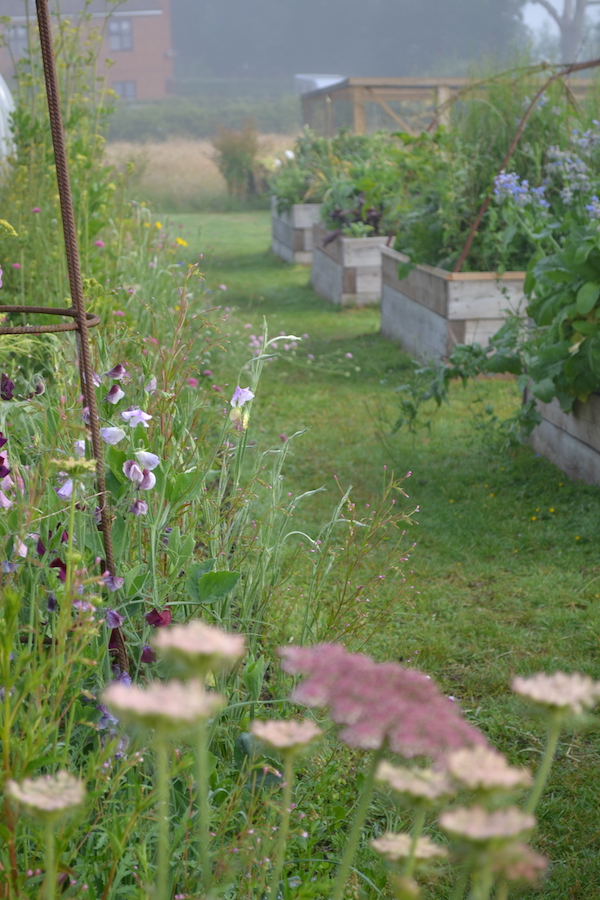
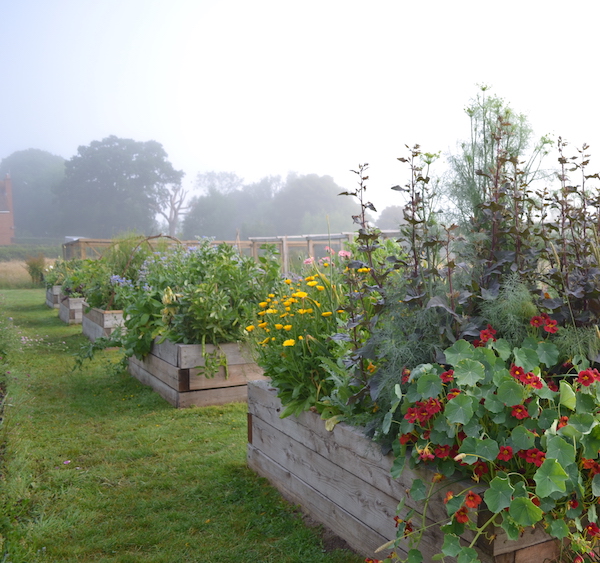
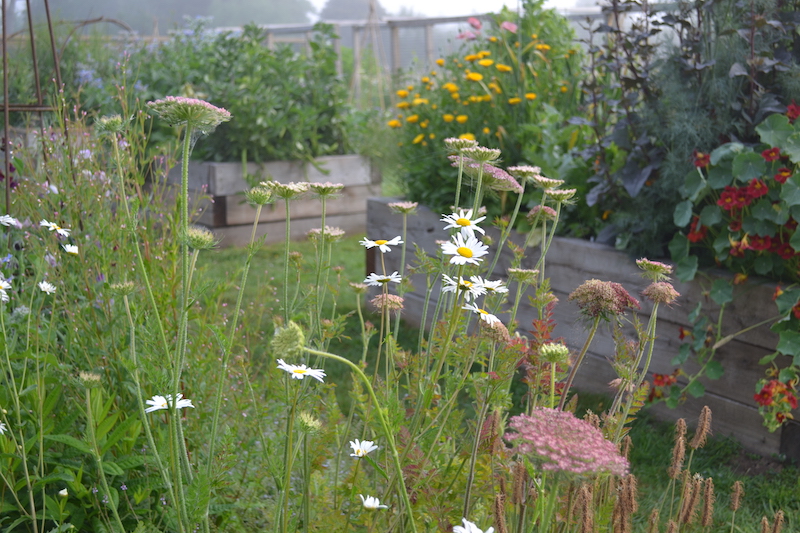
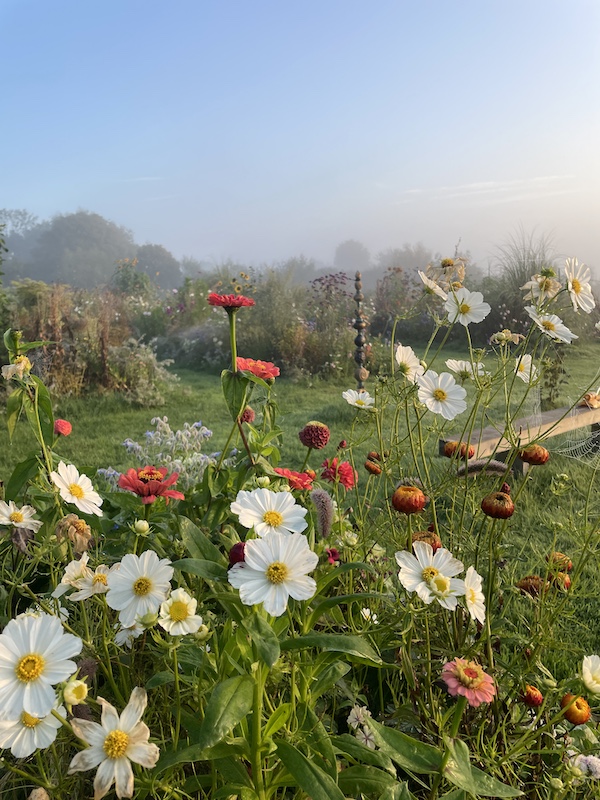
The therapy garden I created at Veterans’ Growth was designed as a sanctuary—a space where military veterans could reconnect with nature, each other, and themselves. I wanted the garden to be restorative on every level, using planting, structure, and sensory elements to support mental health and wellbeing. The layout encourages gentle movement and exploration, with quiet corners for reflection and wide paths for accessibility. Raised beds offer ease of gardening, and the planting palette is full of vibrant, uplifting colour throughout the seasons to stimulate the senses and create moments of joy. I also incorporated a wide range of edible plants—fruits, vegetables, herbs—so that veterans could engage in growing food, and explore the link between nutrition, health, and wellbeing through hands-on experience.
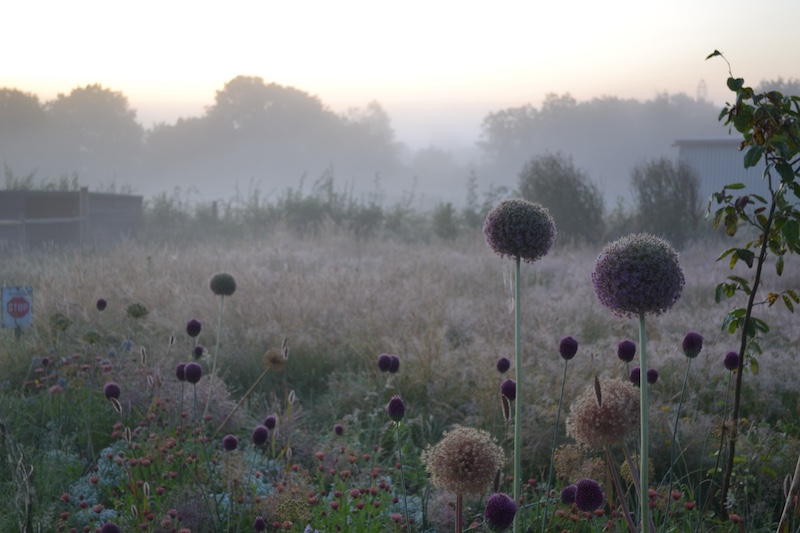
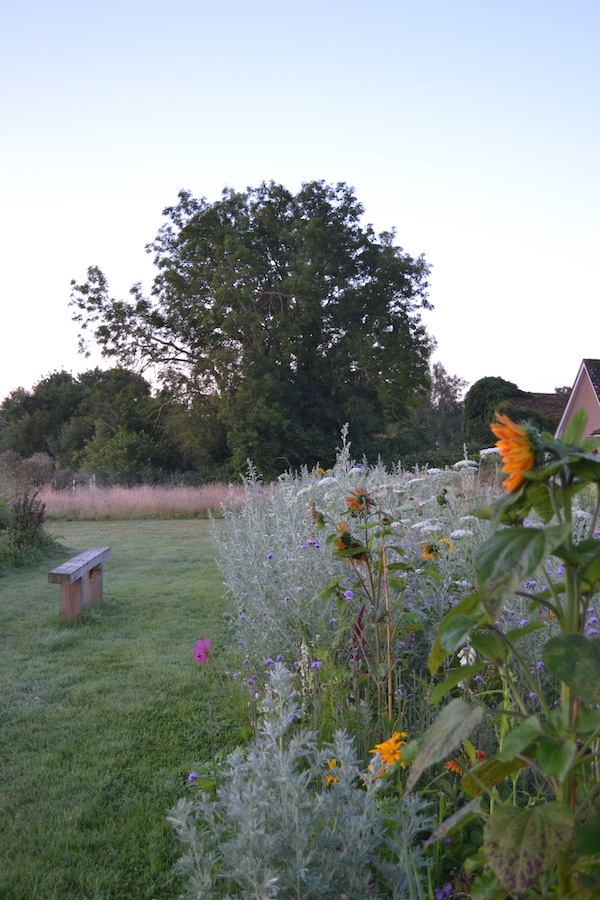
At the same time, it was essential to me that this garden supported wildlife as much as it did people. I selected pollinator-friendly plants and designed in features like log piles, meadow edges, and a small pond to attract birds, bees, butterflies, and amphibians. These natural visitors bring life and movement into the space and offer veterans moments of connection and calm. Beauty in the garden wasn’t just about aesthetics—it was about creating a space that felt alive, generous, and safe. Plus, it had to sit right in the open, rural surround.
The result is a place that supports healing and growth, where people and nature thrive side by side.
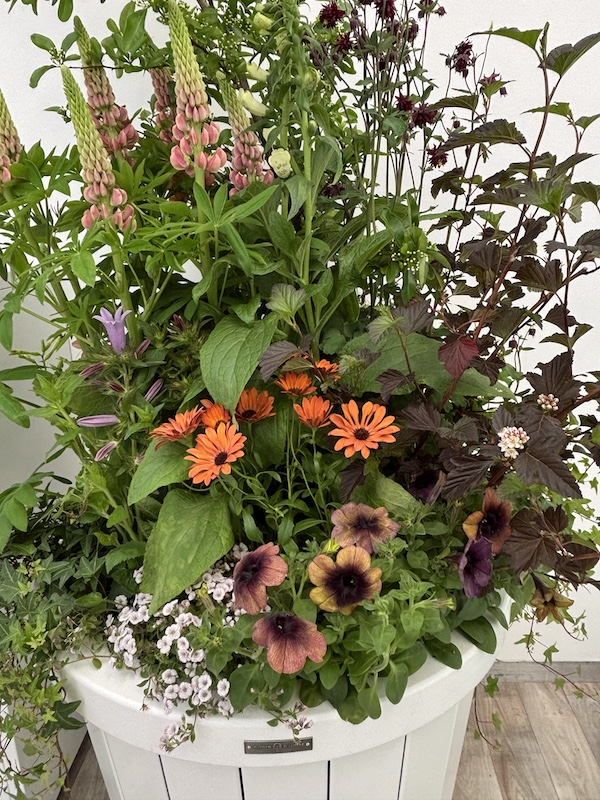
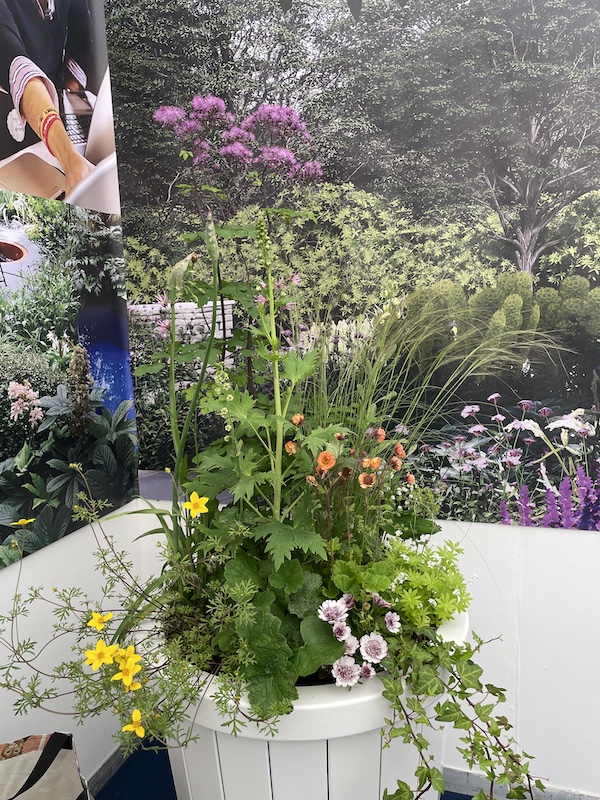
For the last few years, Sarah has headed up the design of the containers used on the London College of Garden Design stand at the RHS Chelsea Flower Show. The stand is built by Veterans’ Growth charity, where Sarah oversees the horticultural team.
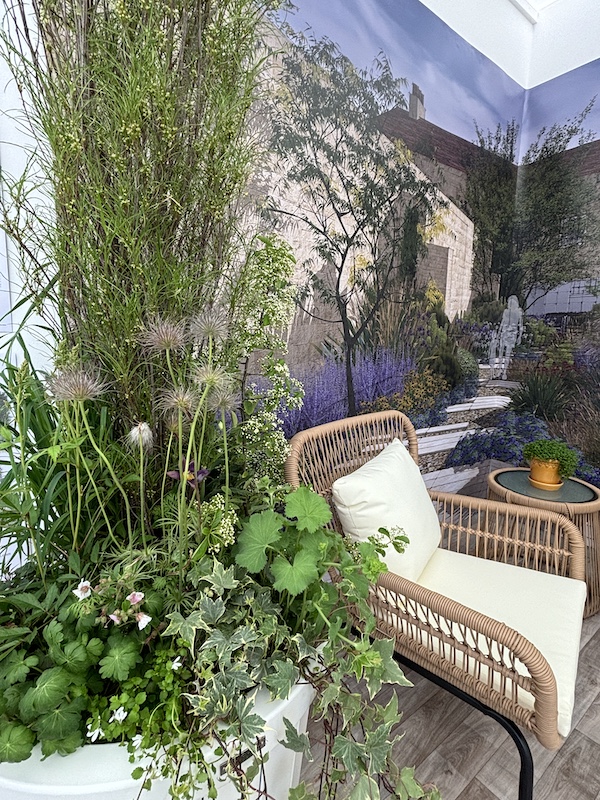
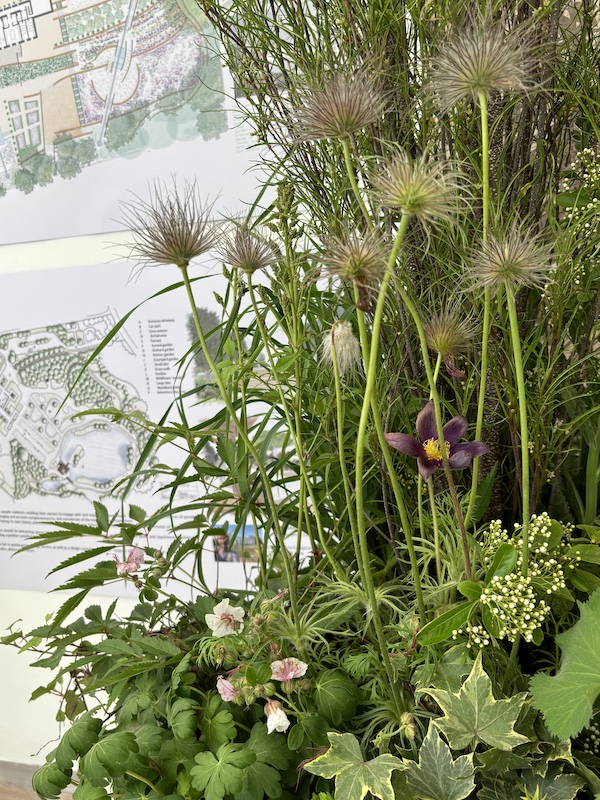
A pop-up garden that formed part of a four week garden installation at London Bridge Station. The garden used recycled materials from the RHS Hampton Court Flower show, reimagined to create a new and
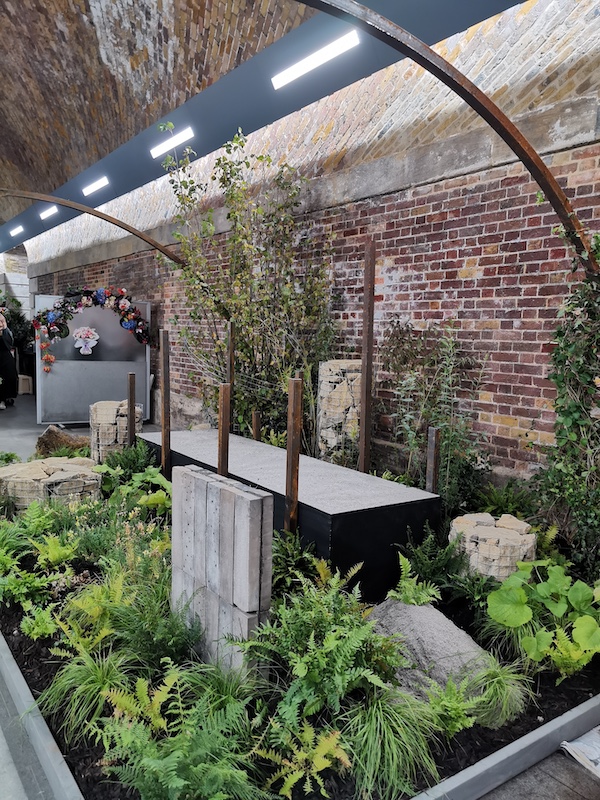
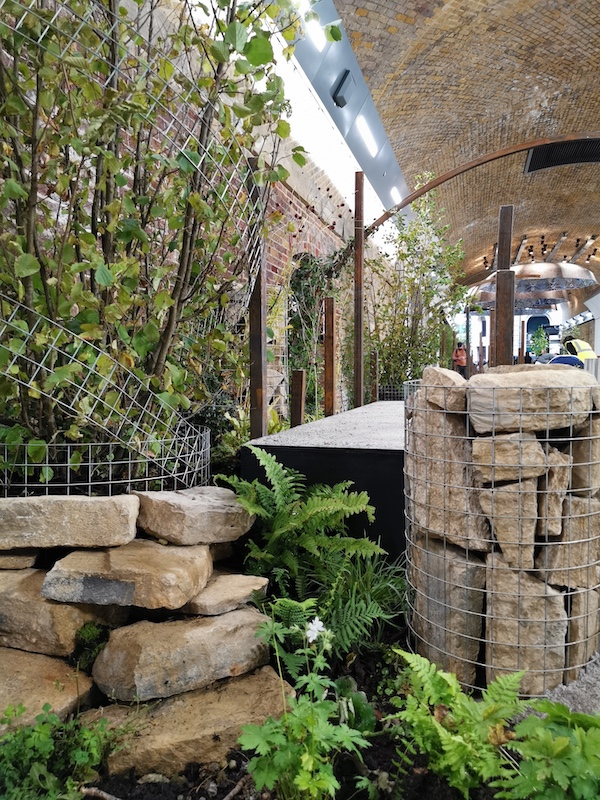
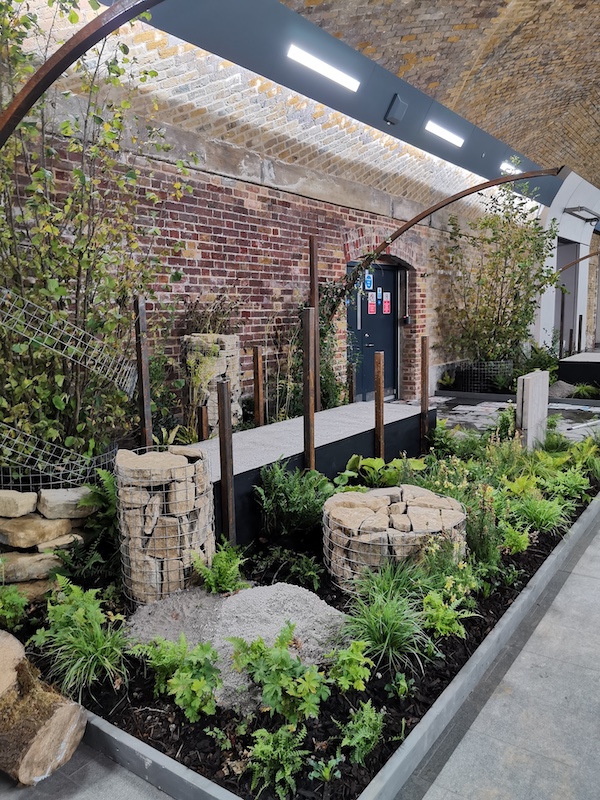
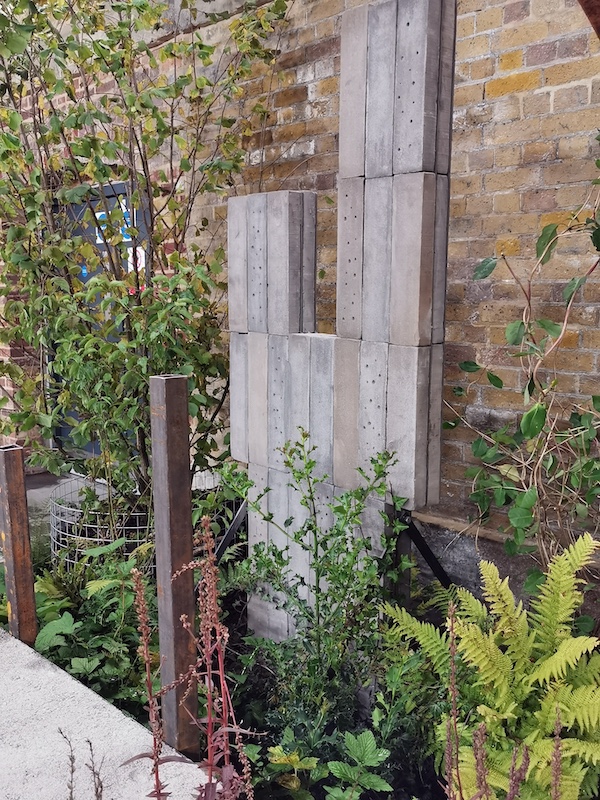
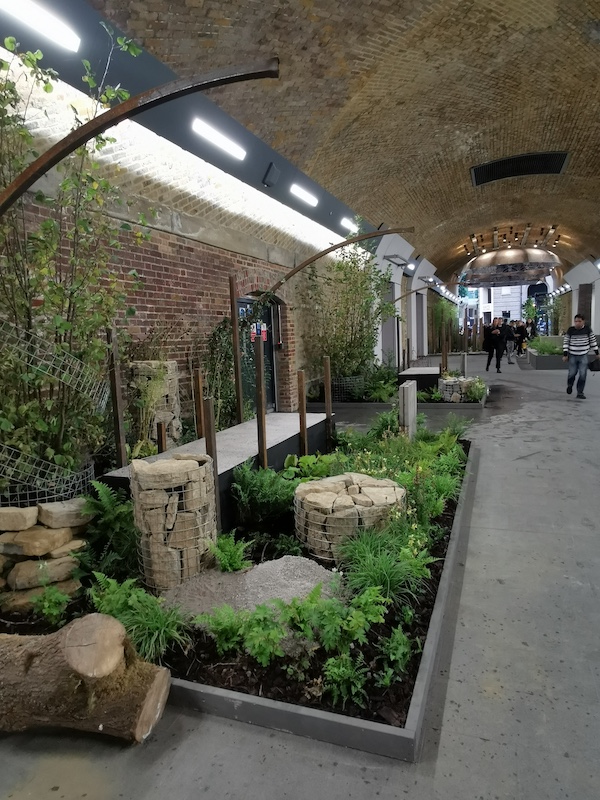
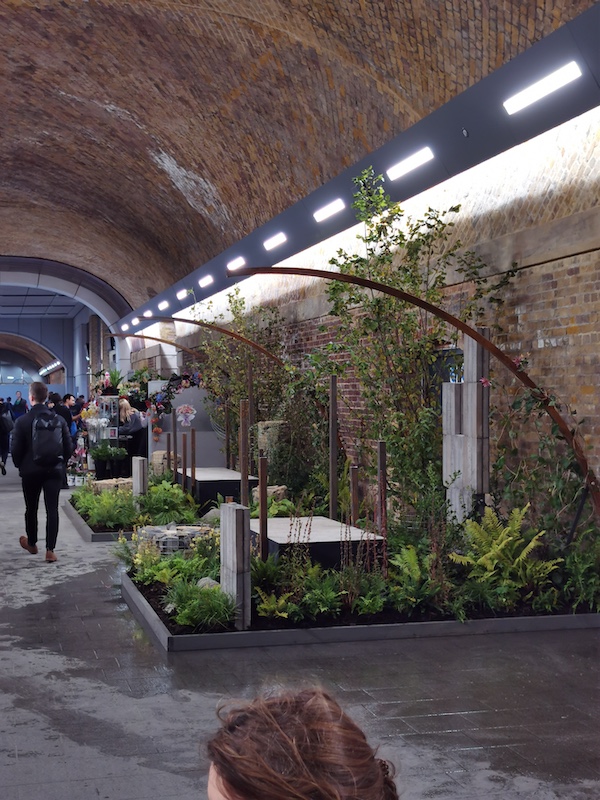
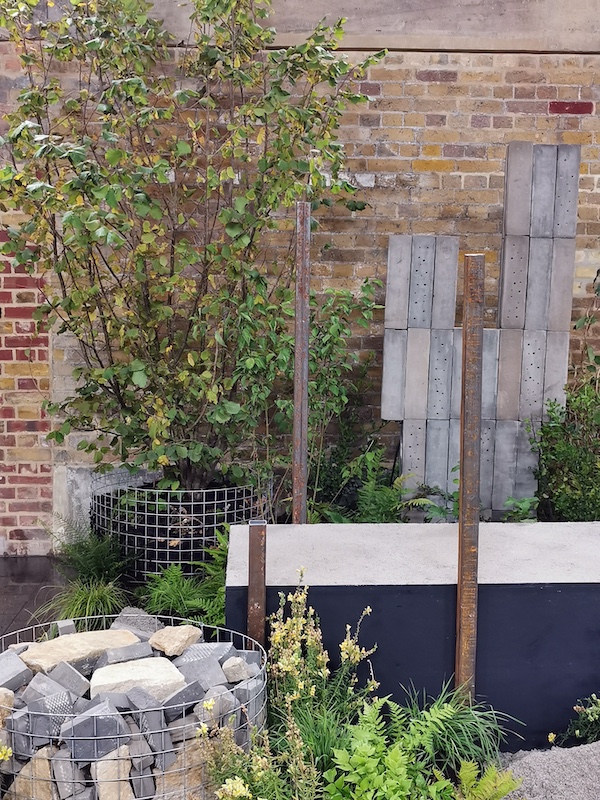
The garden pictured is designed to be completely biodegradable. The materials and planting have been selected to create as little impact as possible, both during the construction and the life of the garden.