Alex Blackley
I got into horticulture at a young age, working in a plant nursery in the south-east of England and discovered a love of plants.
From then I took a job as a gardener in London and have spent 5 years learning how to manage and maintain gardens of all sizes.
The year before I started studying at the LCGD I was in charge of soft-landscape and plant design for a London based design and build company.
I started the course in September 2020 with the goal to study and learn all about garden design and landscape architecture and I’m excited to venture into that world.
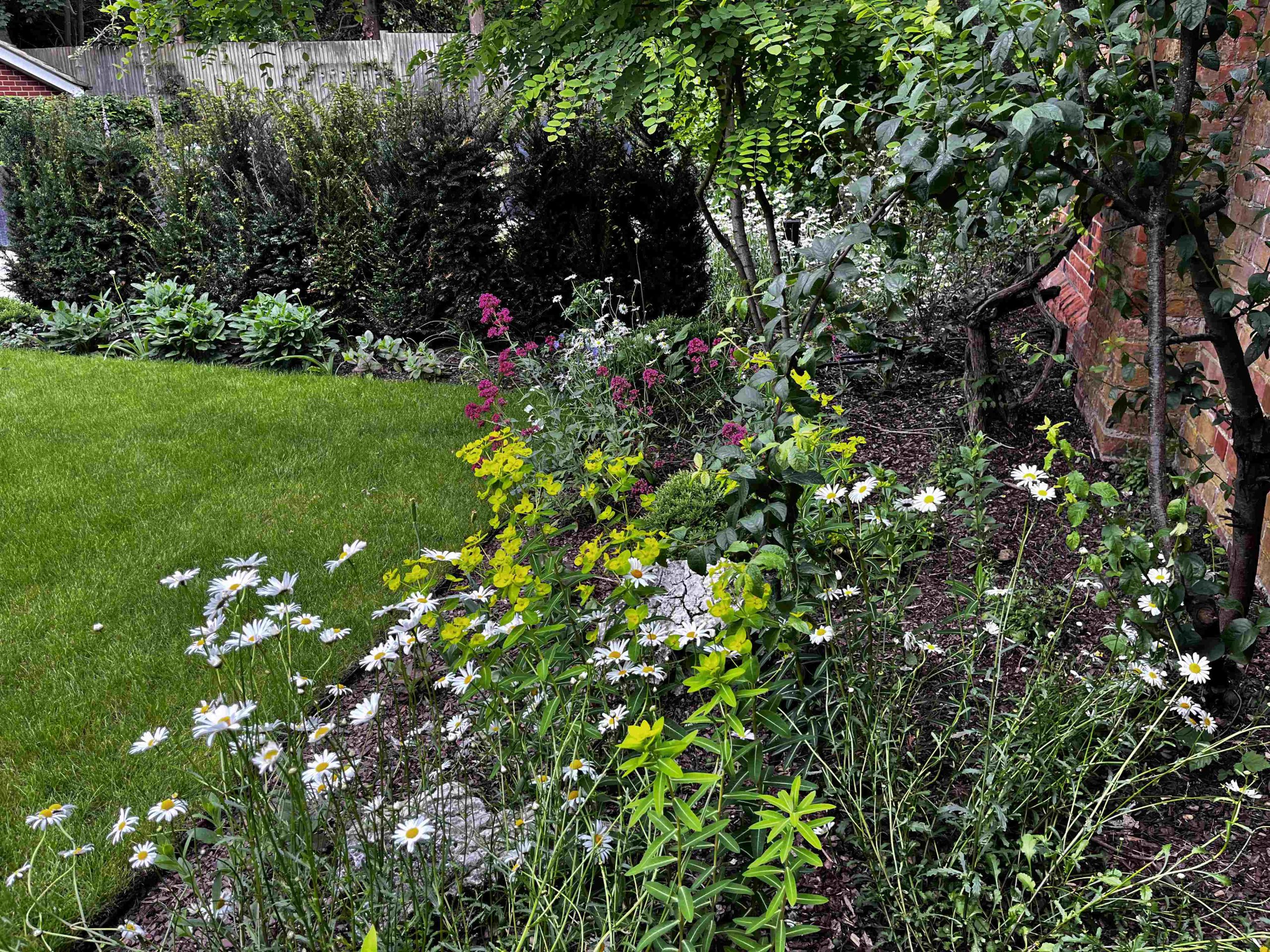
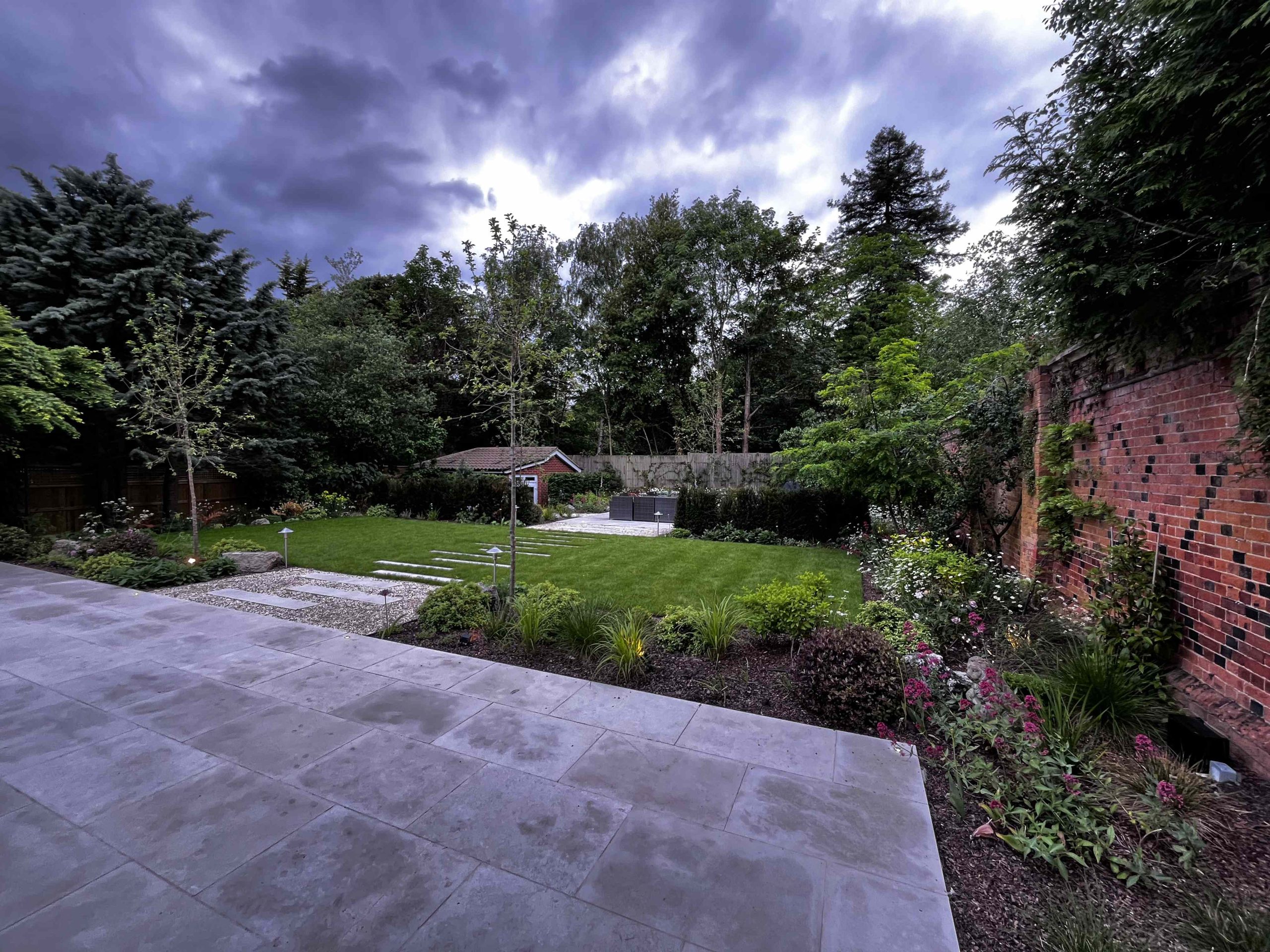
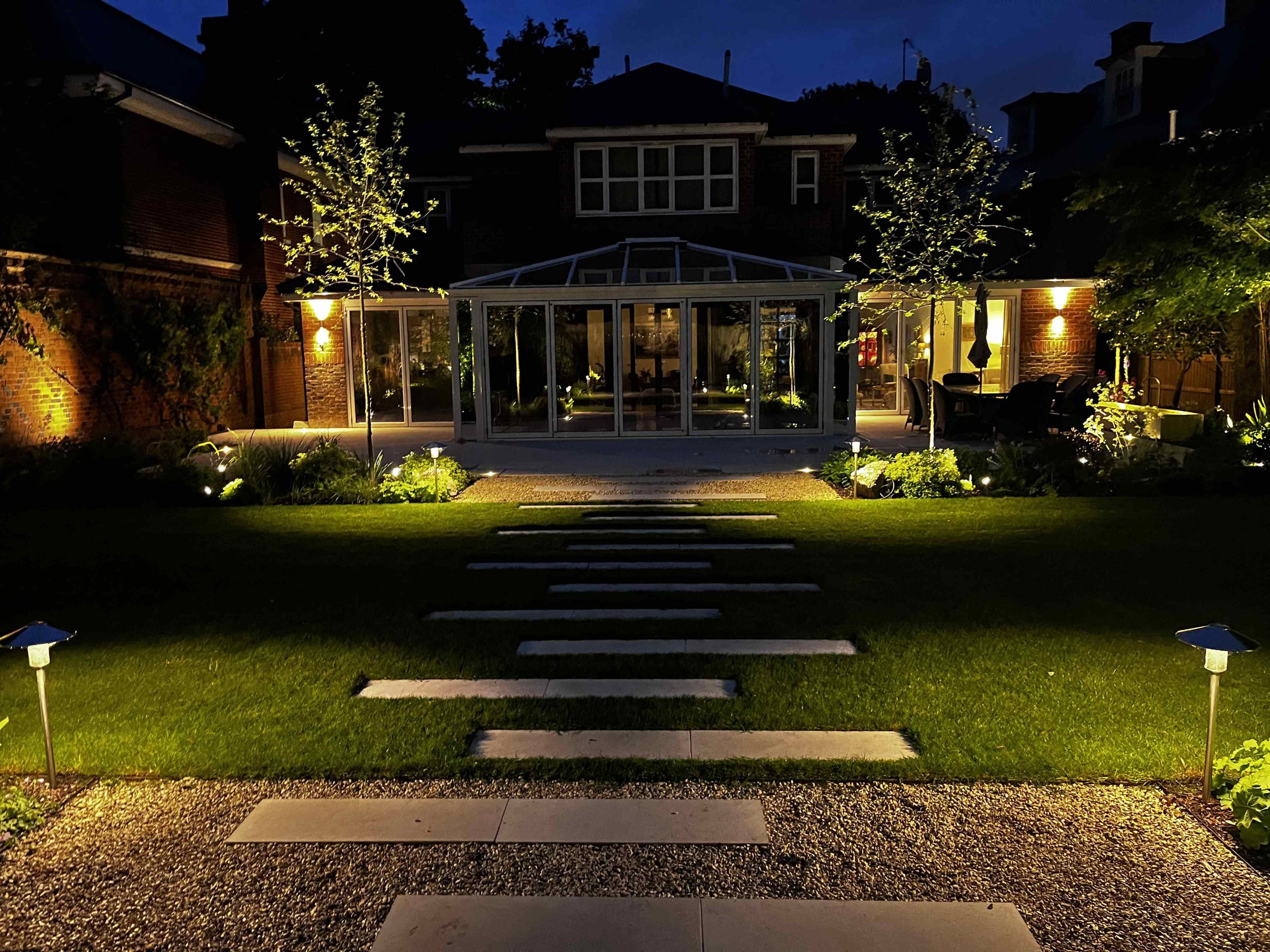
The sole purpose for this project was to turn the garden into a space that the clients could socialise in and enjoy comfortably. We started with a blank slate of a garden but it had this beautiful 3m high Tudor brick wall that ran the length of the garden. We used that to our advantage, clearing the vegetation away to make it more visible, but installing vines and climbing plants to enhance the character of the wall. Two large limestone terraces bookend the space, anchored by 4 crab apple trees. The planting was a mix of ornamental herbaceous, deciduous grasses and evergreen structure in the form of clipped mounds and domes to provide structure in the winter months. Lighting plays a key role in this garden as it’s a social space. The vegetation that surrounds the large terraces are to act as points of interest to work with the hardscape. But the generous scale of the hardscape is the key to this design.
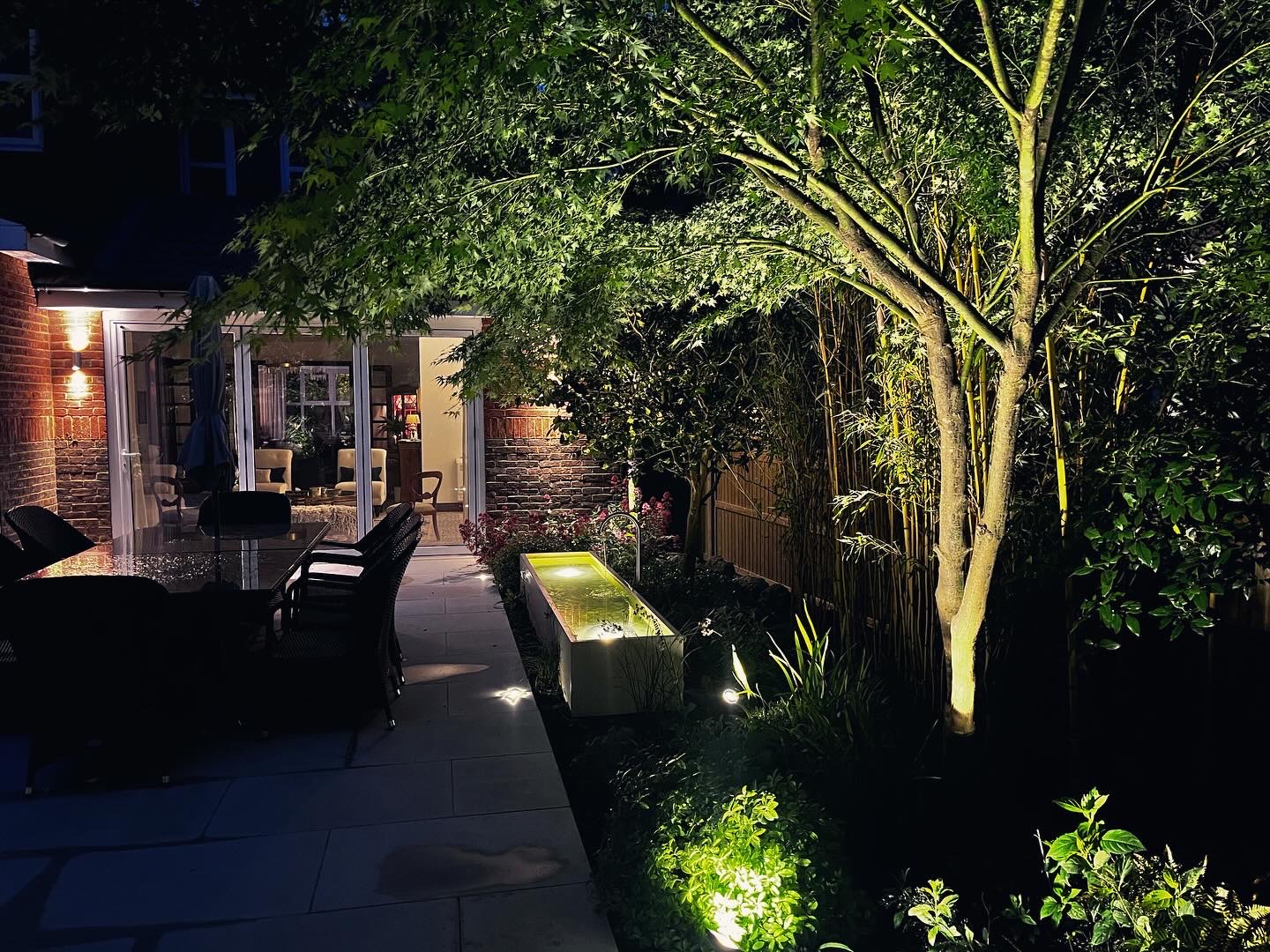
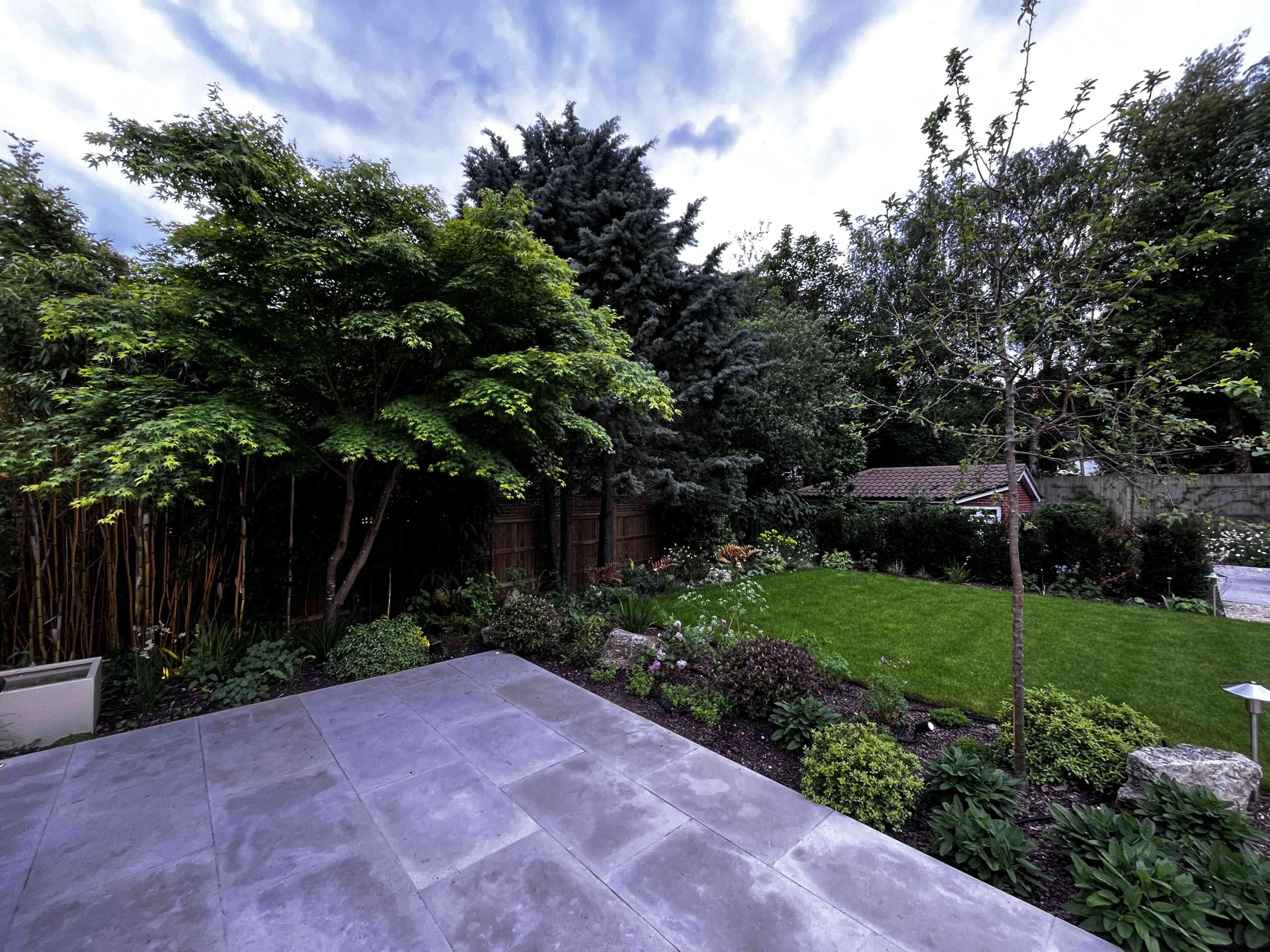
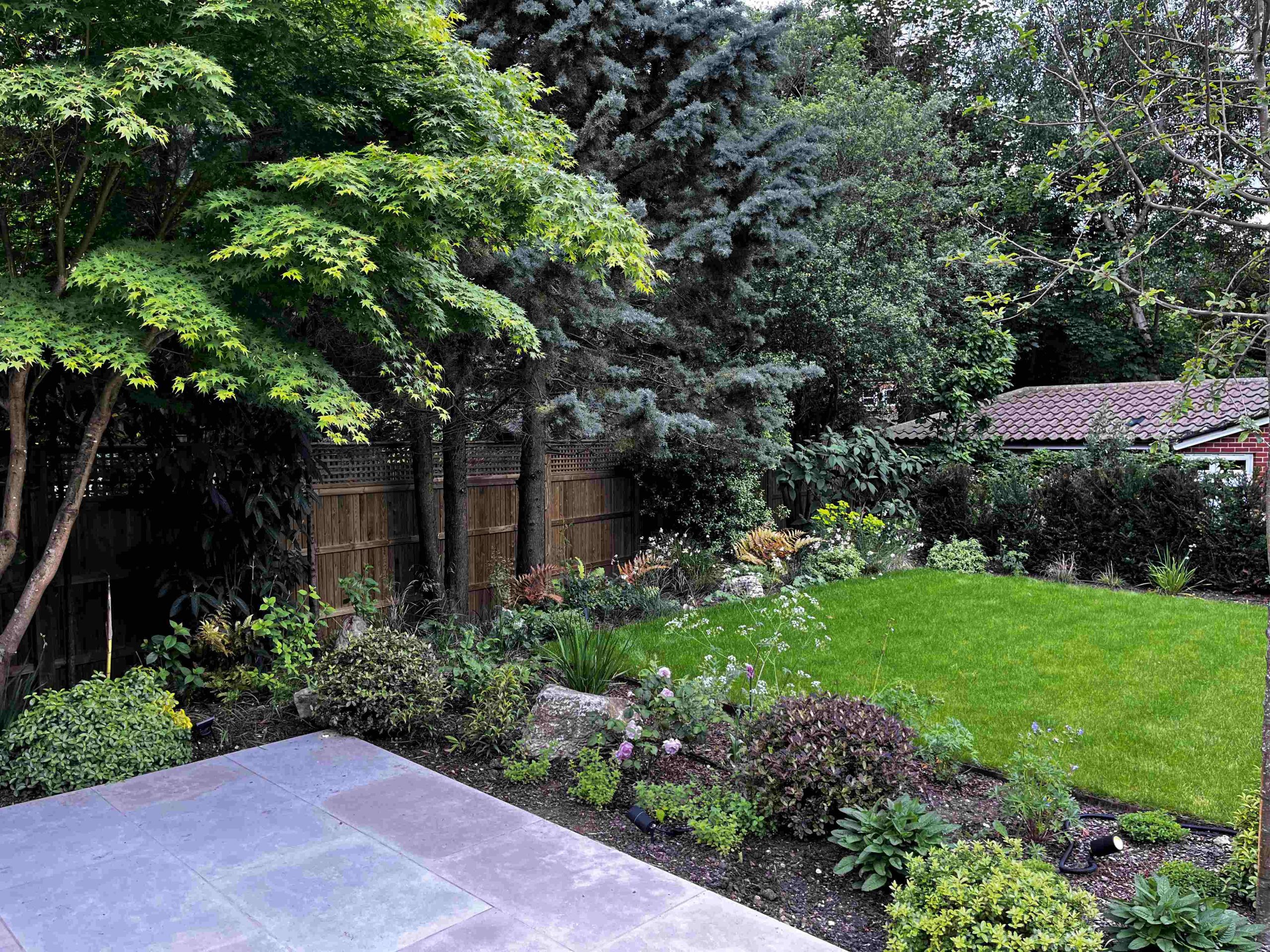
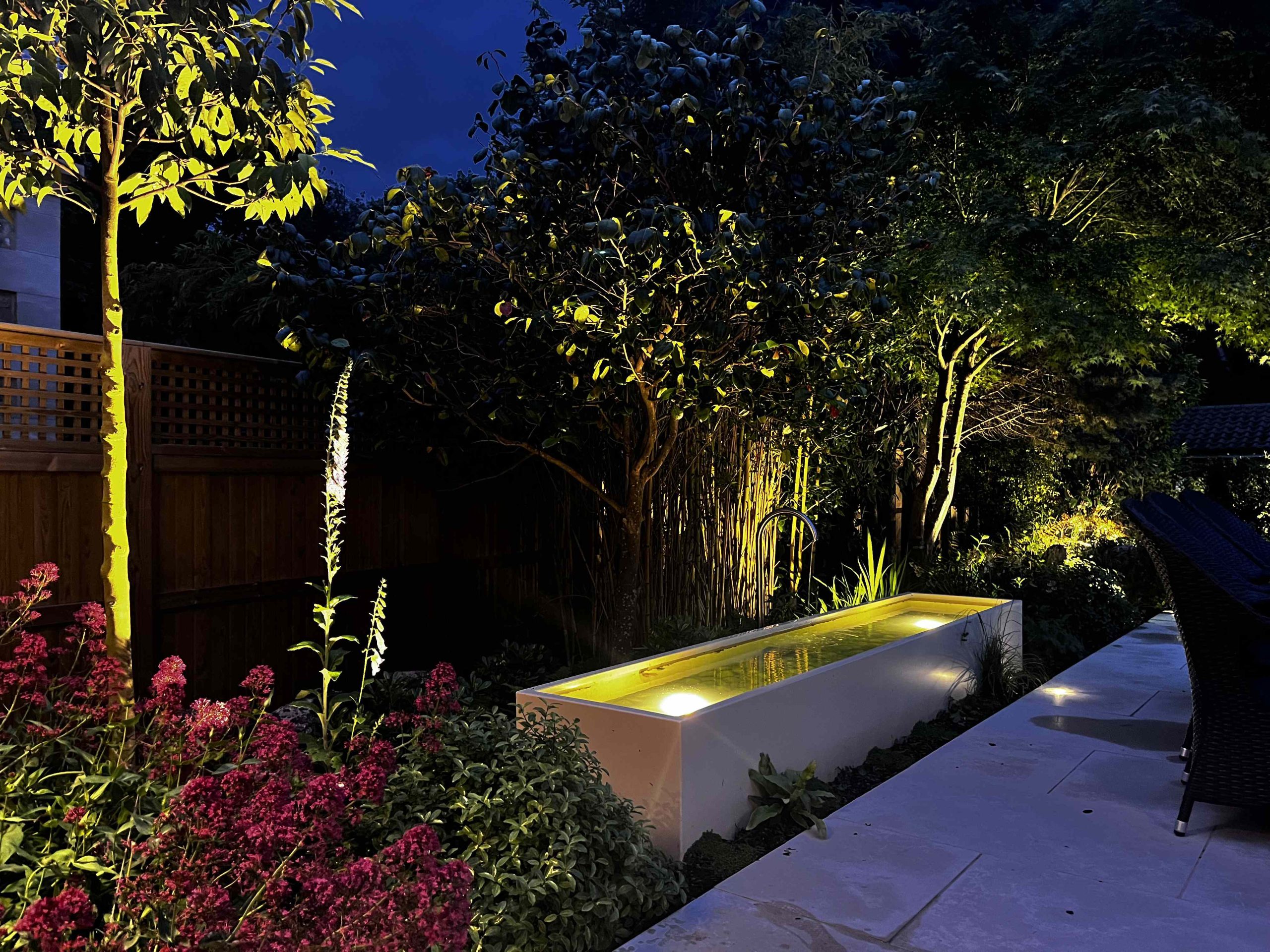
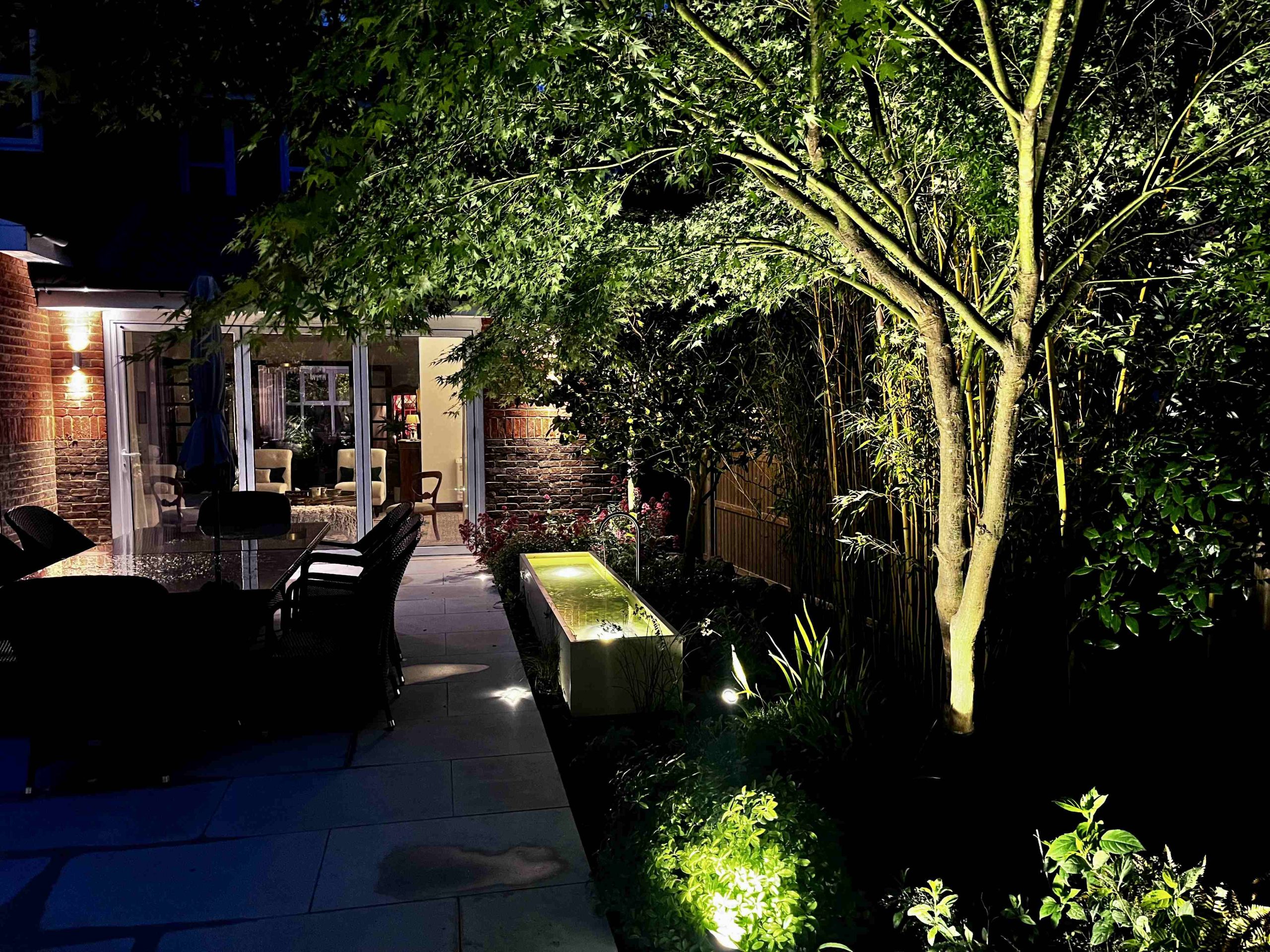
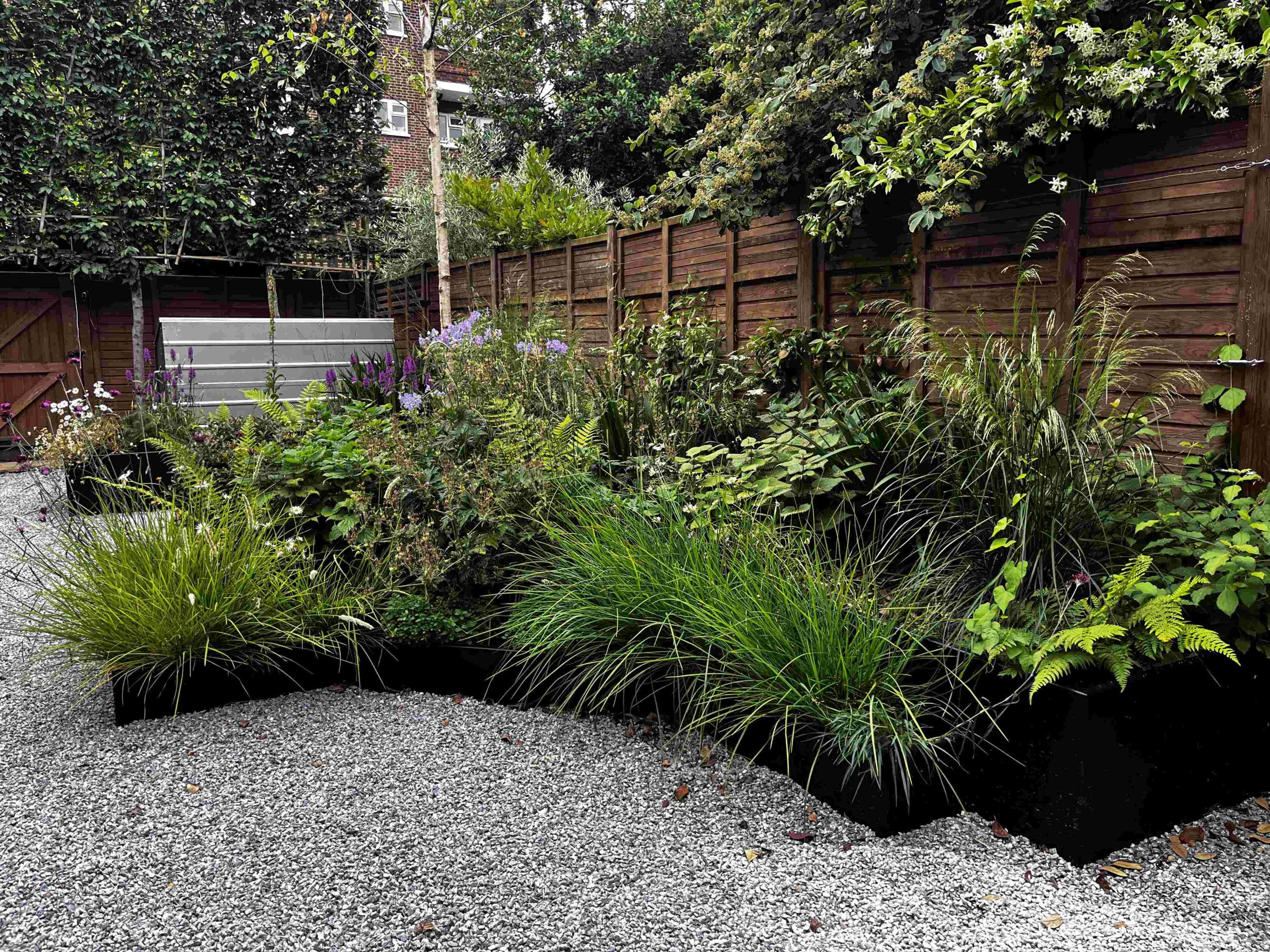
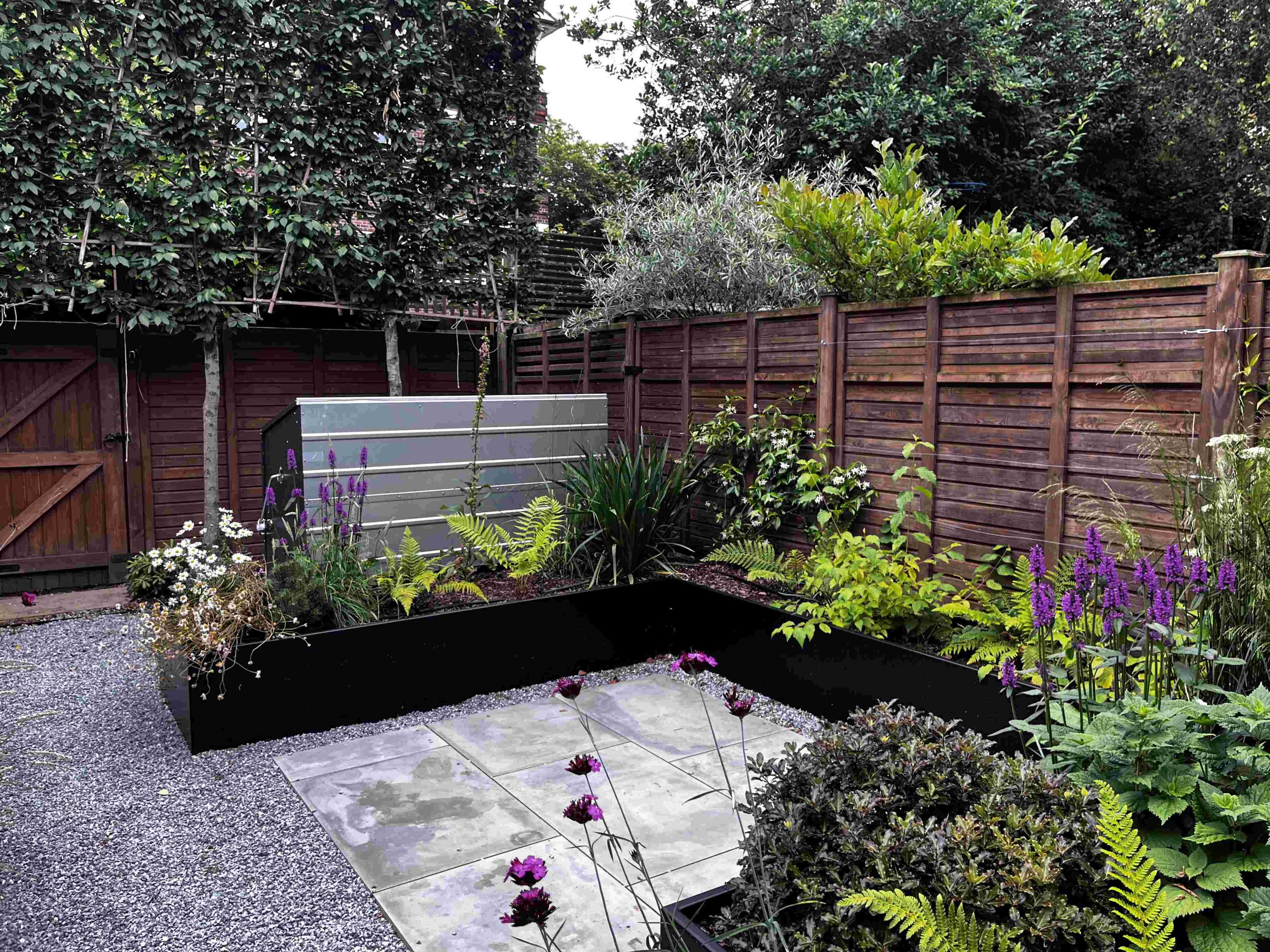
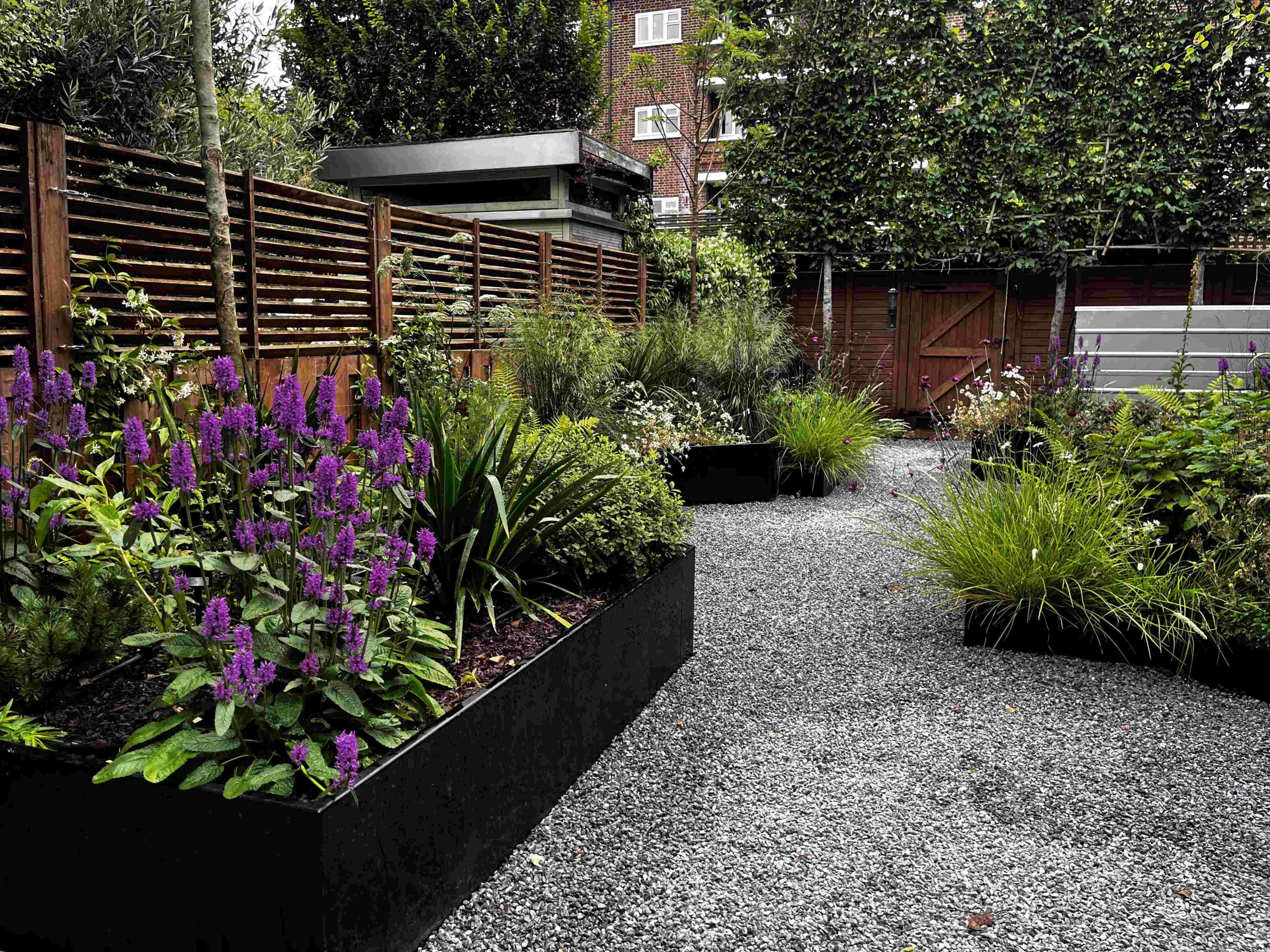
The original idea for this garden was to create a garden that was practical for the clients. Originally it was a square lawn with beds wrapping around the sides. The goal was to emulate the newly installed garden on top of Battersea Power Station with its geometric metal planters/ raised beds with naturalistic planting that’ll change over time. We installed a small terrace that’s situated within the planters, so you can enjoy a morning coffee and feel surrounded by soft planting. Three large trees trees anchor the design, each with its own up-light to add interest looking out from the property. Sorbus aucuparia (Rowan), Betula pendula (Birch) and Crataegus x prunifolia (Hawthorn). Trees that provide long seasons of interest with flowers, berries or autumn colour.
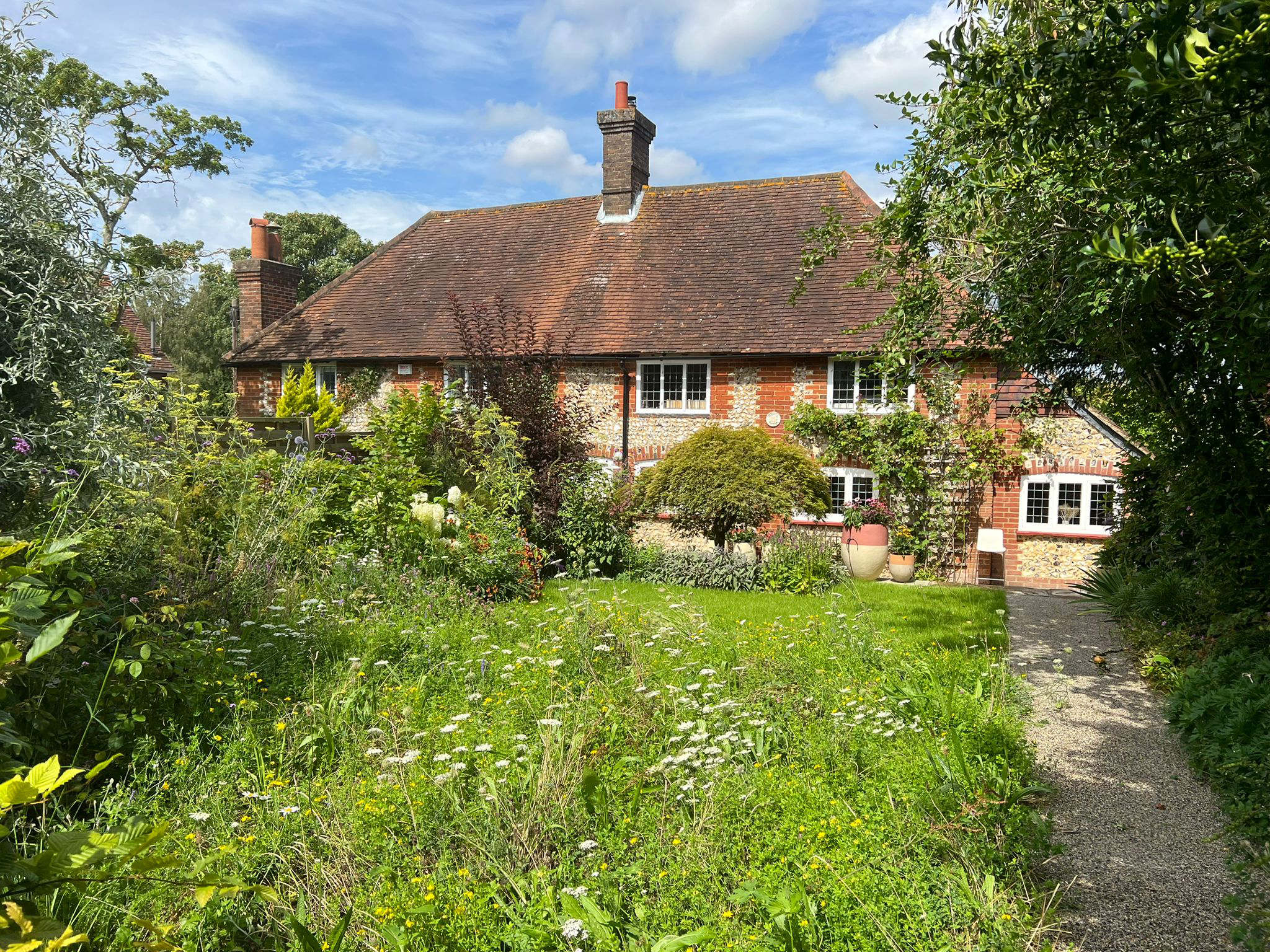
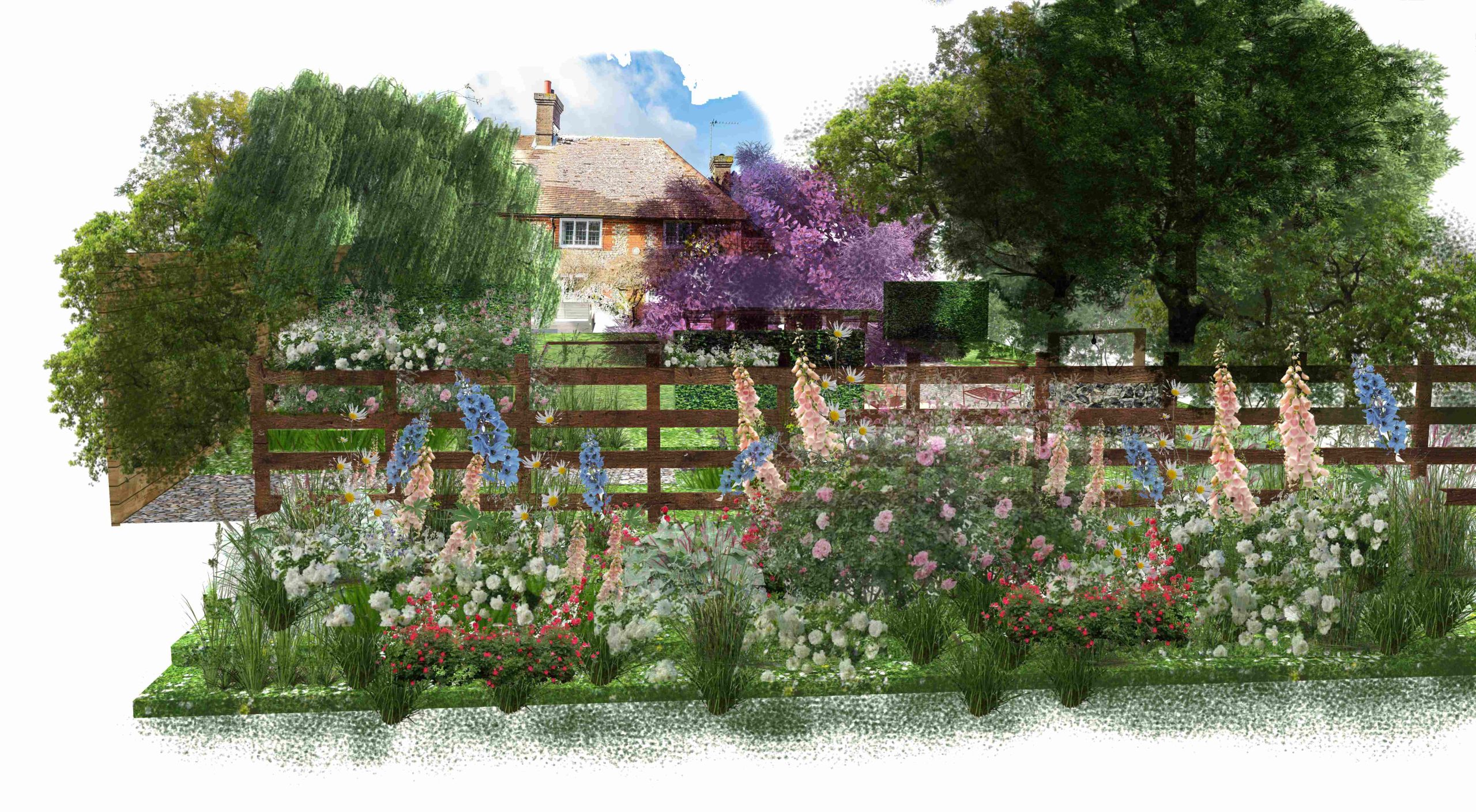
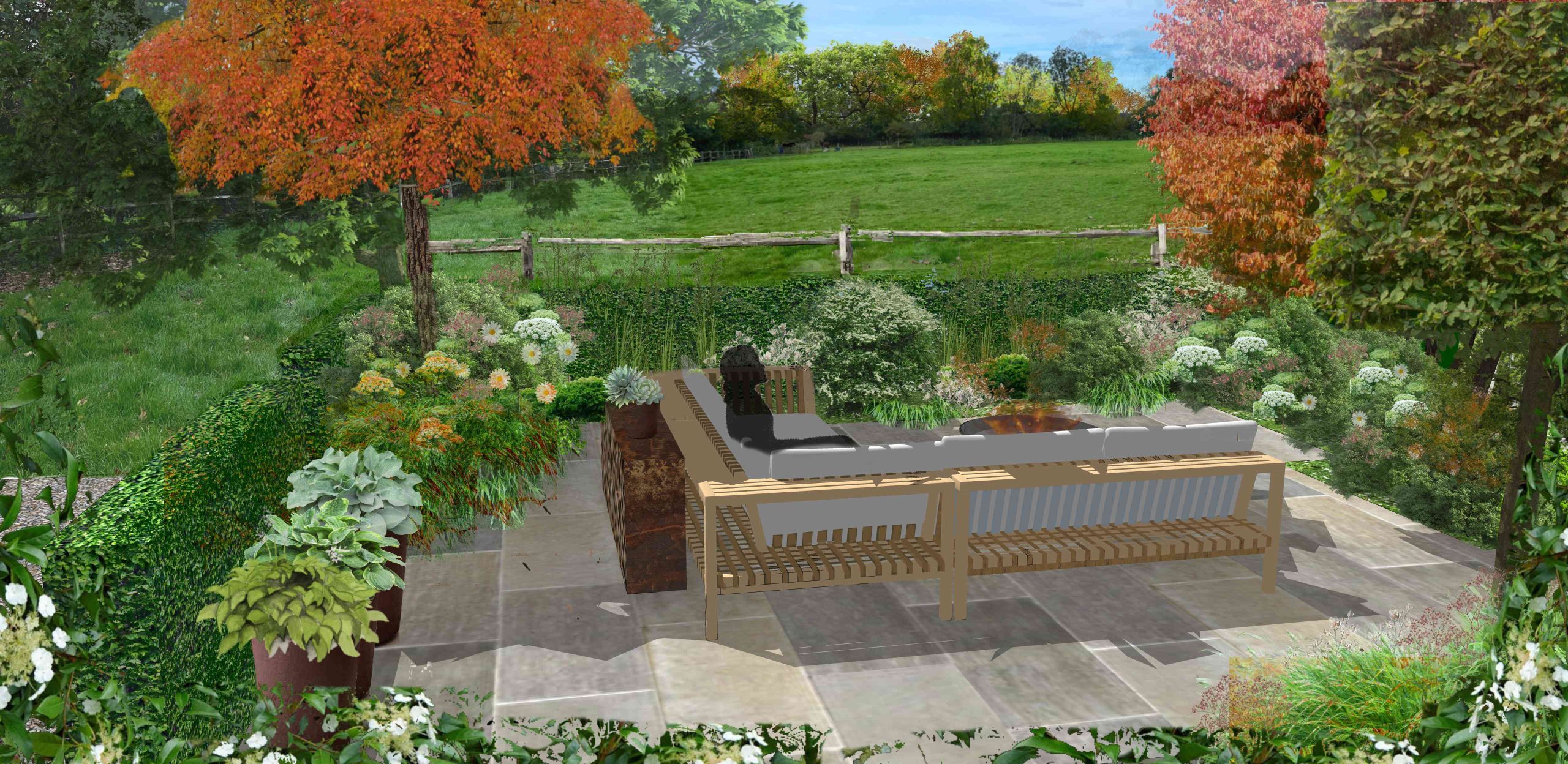
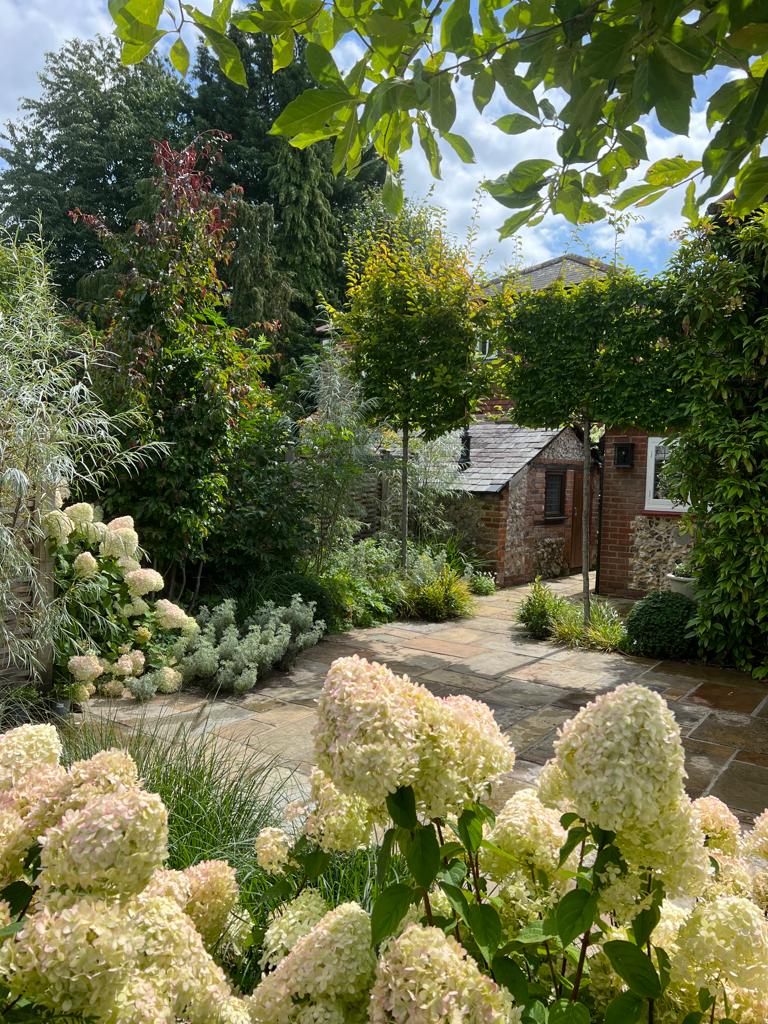
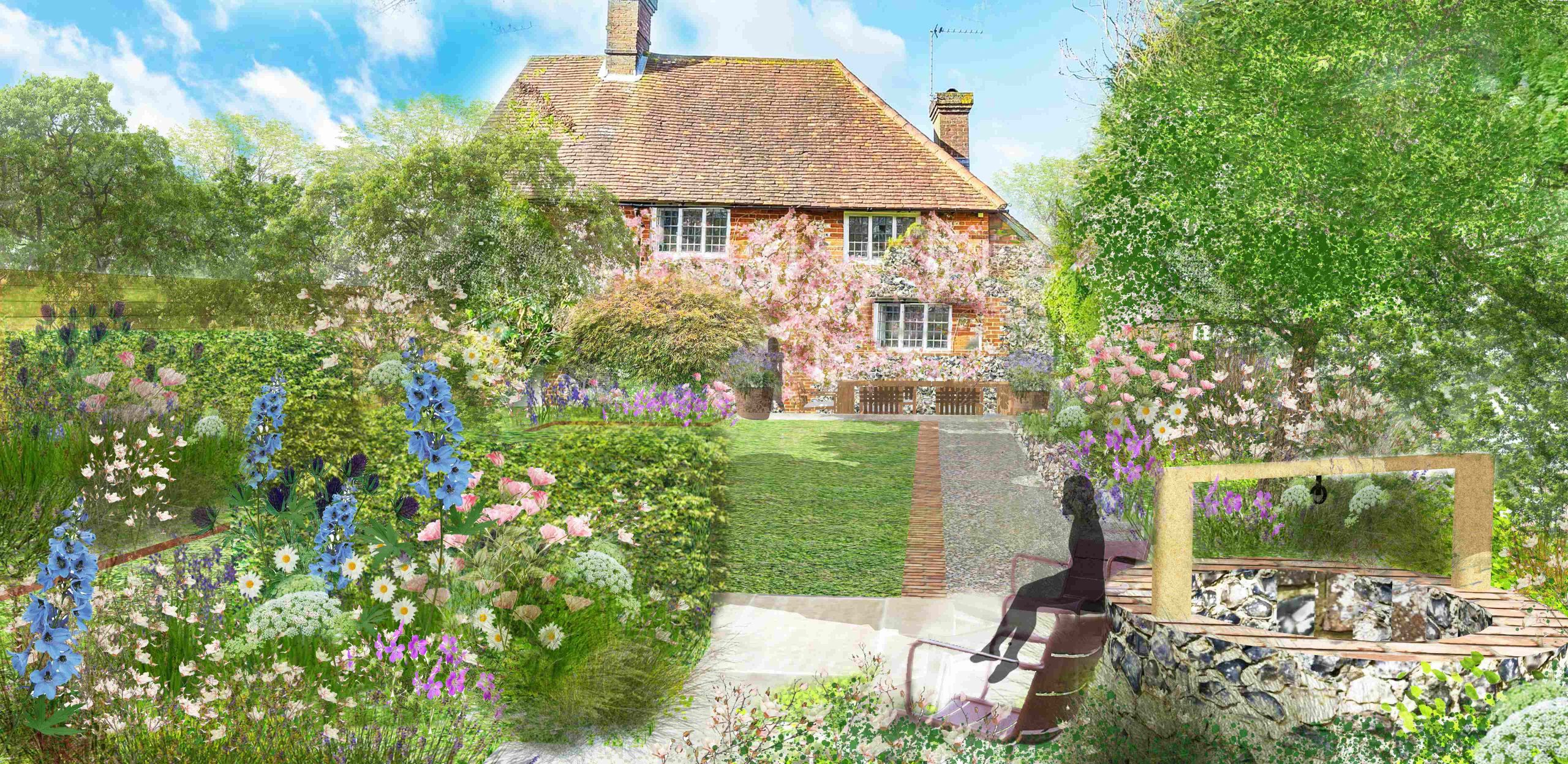
Nestled at the edge of a quiet lane, the newly built cottage garden radiates an effortless charm, blending traditional aesthetics with subtle modern touches. This project completed in Summer 2022 was a project I did as part of working with Stephen Woodhams Design. It’s a quintessential English cottage with 16th century origins, the client wanted to re-vamp the original garden as it was overgrown and was impractical and very tight to manoeuvre around. We first sought to make sense of the level changes and re-build the walls using flint cobbles to emulate the nearby churchyard. Continuing on this trend, we used reclaimed yorkstone from the churchyard as the main paving material along with corten metal edging that really made the garden feel as it had maturity and grounded within the landscape. The planting focuses on cottage gardens and takes a lot of inspiration from the gardens at Great Dixter in Rye, Kent and from Sissignhurst. We planted a large Nyssa sylvatica tree on the corner of the property to act as a beacon to the house as it’s down a very tight, country lane and the Nyssa is something you will see first. We placed a terrace just opposite a near by field of horses so you can always see the horses grazing as you sit and relax with friends and family. We planted half of the lawn area with meadow turf to bring the surrounding meadows into the garden and give you a feel of being surrounded by nature.