info@corinnaraganato.it
https://www.corinnaraganato.it
Corinna Raganato Agroecology and Planting Design
+393292141310
Graduation year: 2025/26 PDD
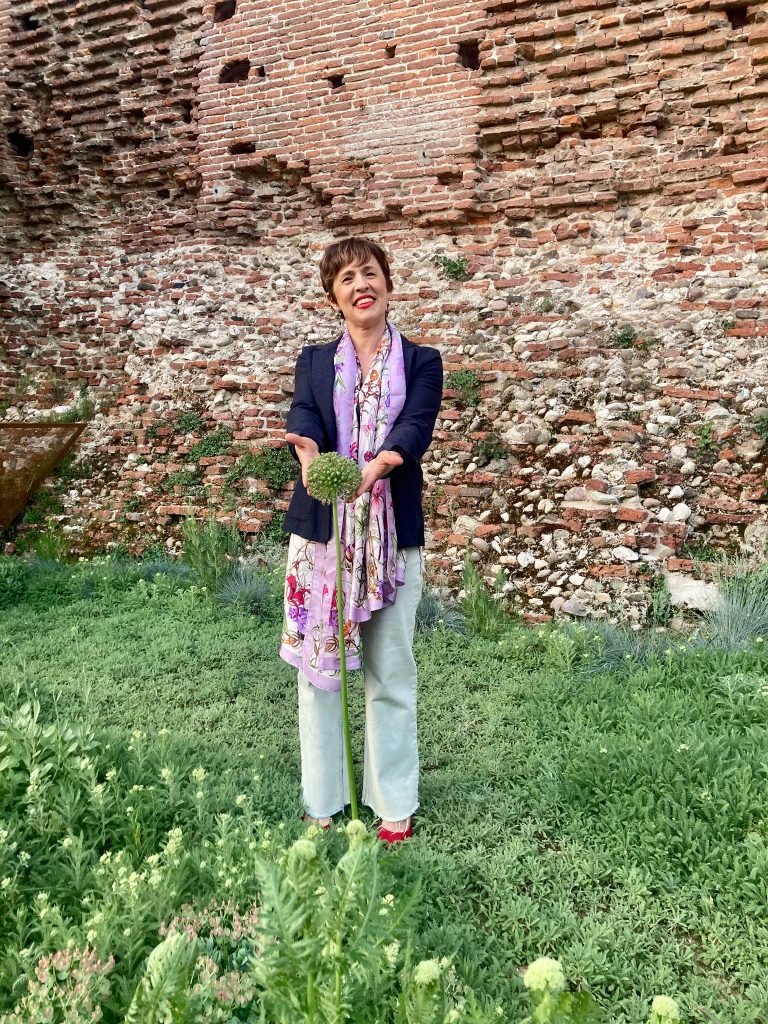
Corinna Raganato
I believe that planting design should do more than create beautiful gardens. It should reconnect people with nature, celebrate the identity of a place and contribute positively to the environment.
My work is rooted in ecology and inspired by natural plant communities, with a particular love for Mediterranean landscapes and resilient planting. Every project begins with understanding the site—its soils, climate, history and ecology—because I believe the most successful gardens are those that belong to their place rather than compete with it.
With a background in agroecology, I combine scientific knowledge with horticultural expertise and design principles to create planting schemes that are beautiful, biodiverse and sustainable. I enjoy working with plants that provide seasonal interest while supporting pollinators, birds and other wildlife, creating gardens that are rich in life as well as in beauty.
Above all, I want to design landscapes that people feel emotionally connected to—places that evolve over time, enrich everyday life and demonstrate that ecological responsibility and aesthetic excellence can exist together.
Biography:
I am an Italian agroecologist, planting designer and organic farming consultant based in the Veneto region of northern Italy.
After graduating in Environmental Sciences from Ca’ Foscari University of Venice, I built my career in agroecology, organic farming and biodiversity, working as a consultant, educator and technical controller for organic certification. These experiences gave me a deep understanding of plants, soils and ecological systems, which now form the foundation of my design approach.
Alongside my consultancy work, I have developed educational and community projects promoting biodiversity, regenerative horticulture and sustainable landscape management, believing that gardens can become valuable ecological and cultural assets for both people and nature.
I completed the Planting Design Diploma at the London College of Garden Design in 2026, where I refined my design methodology and deepened my commitment to creating naturalistic, climate-responsive and enduring landscapes. Today, my work brings together science, horticulture and design to create gardens that are rooted in their place and respond to both ecological and aesthetic contexts.
Instagram: @corinnaraganato
Facebook: @corinnaraganato
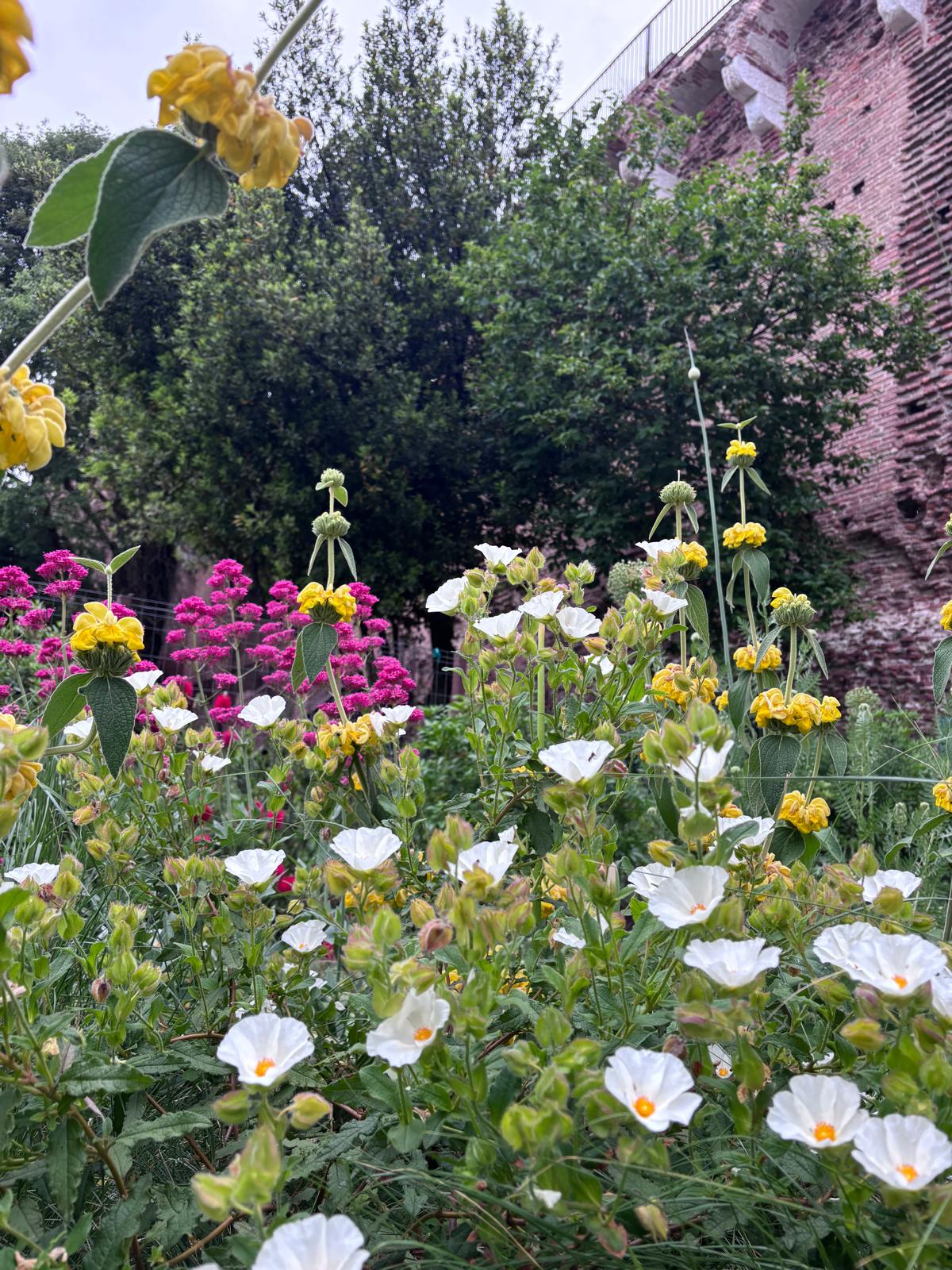
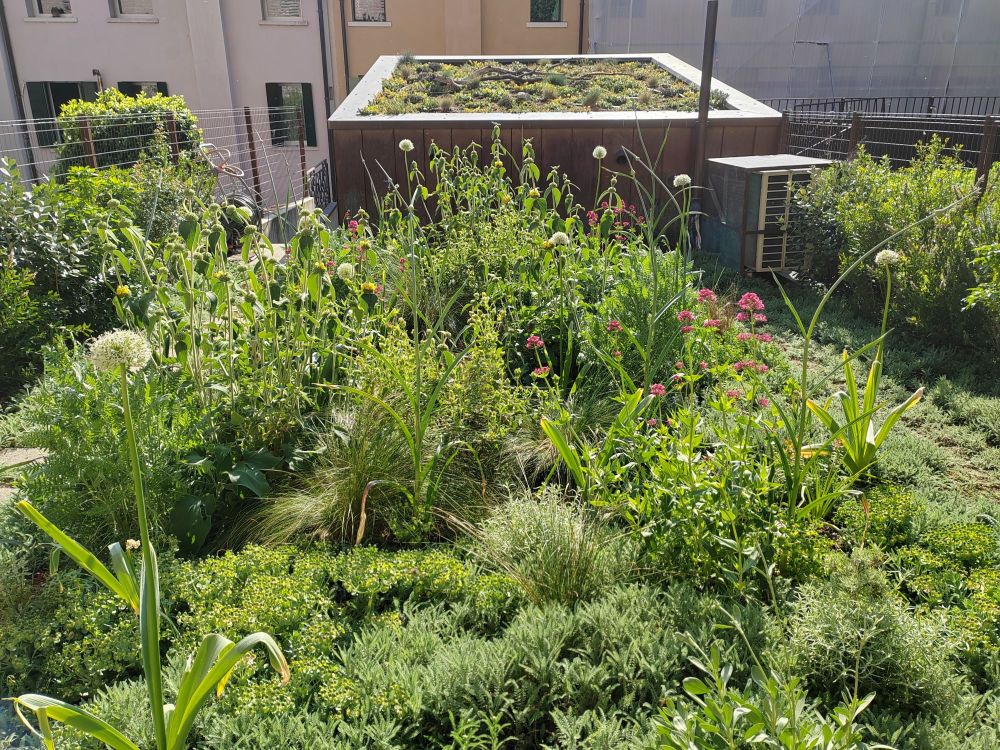
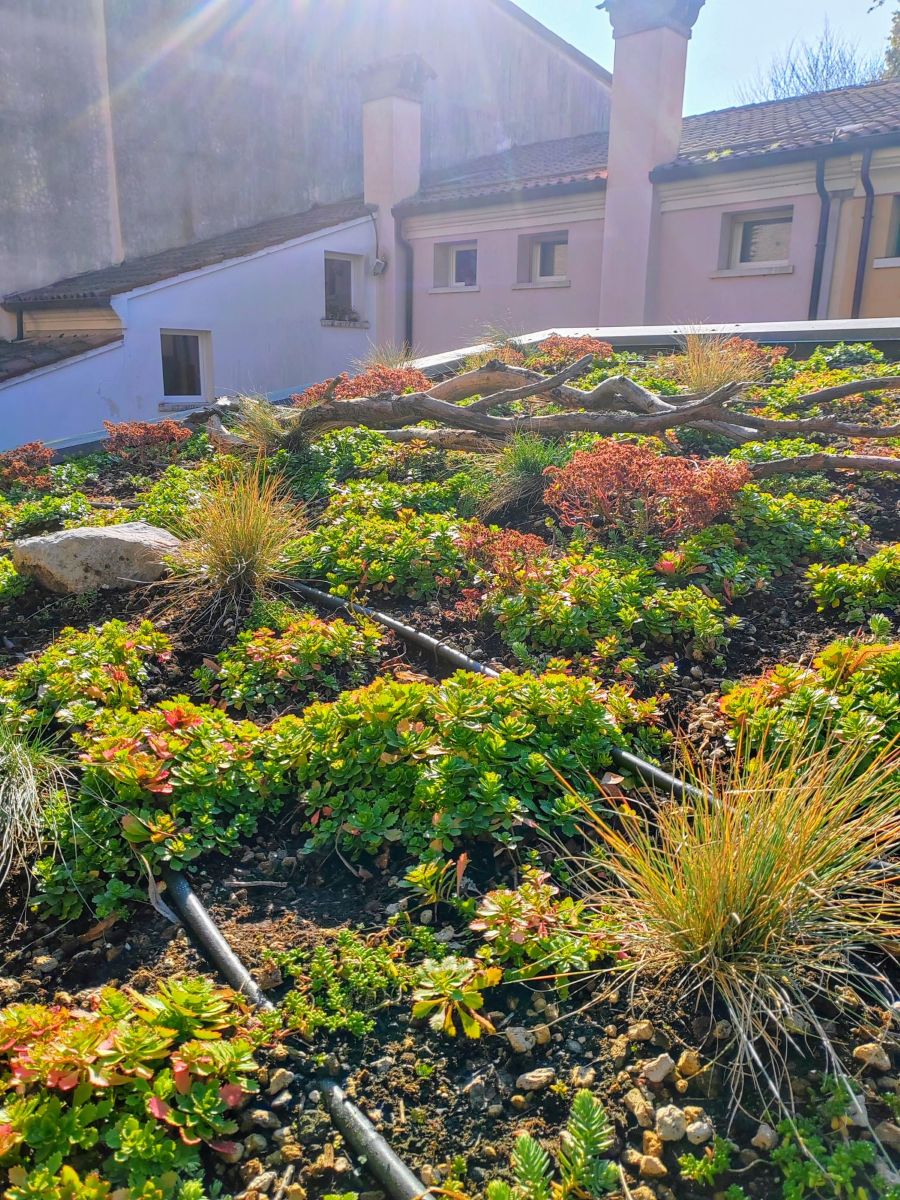
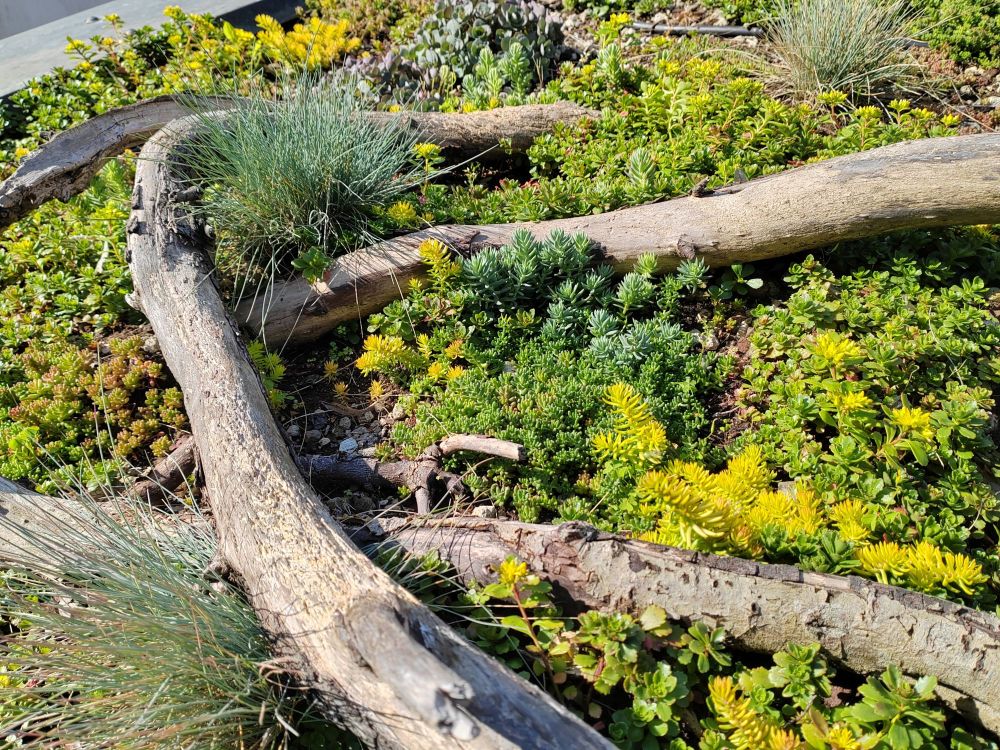
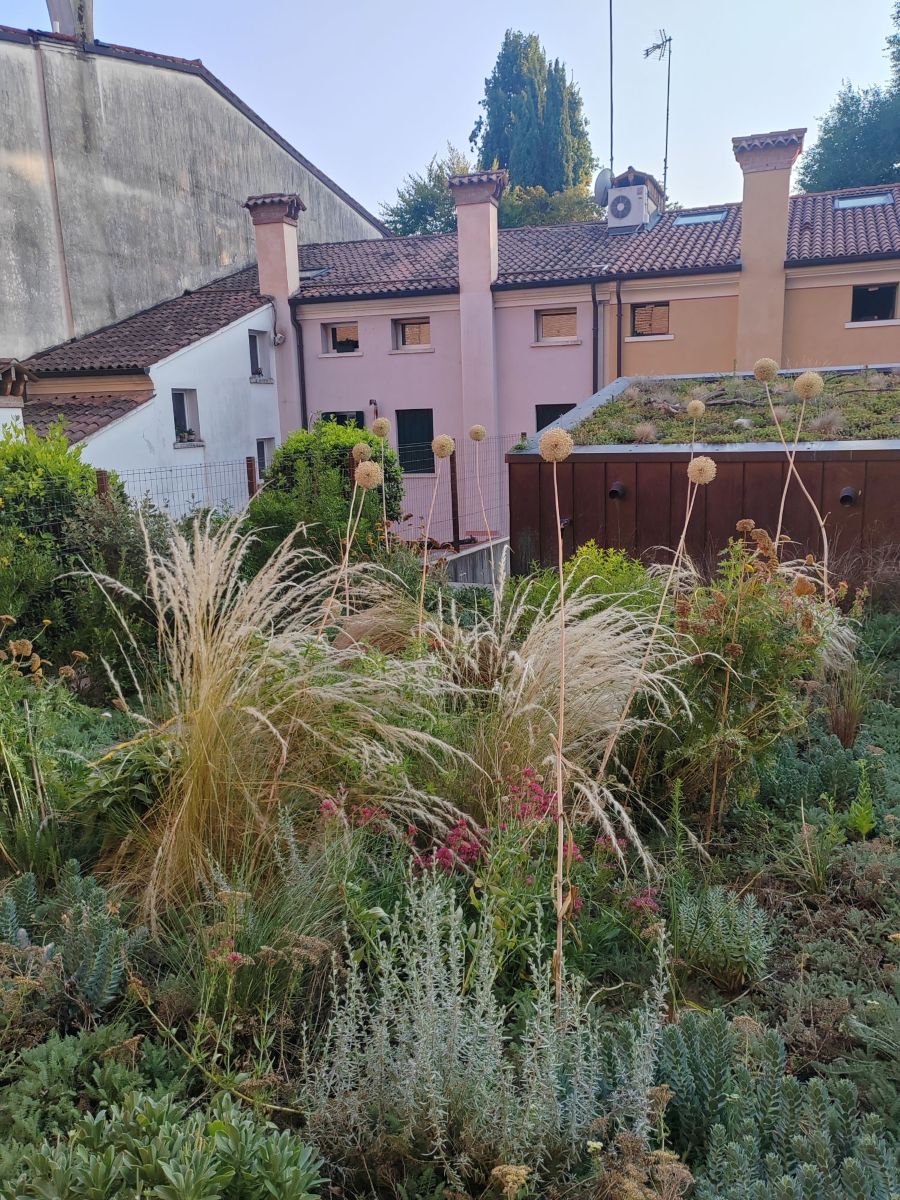
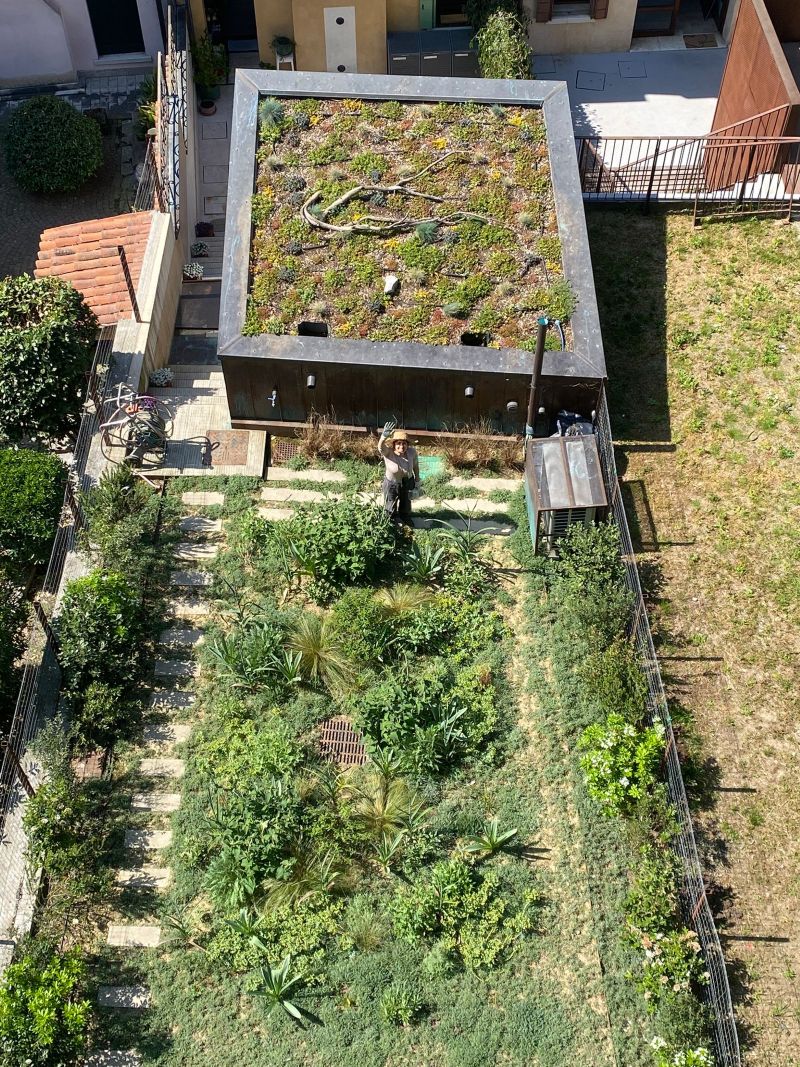
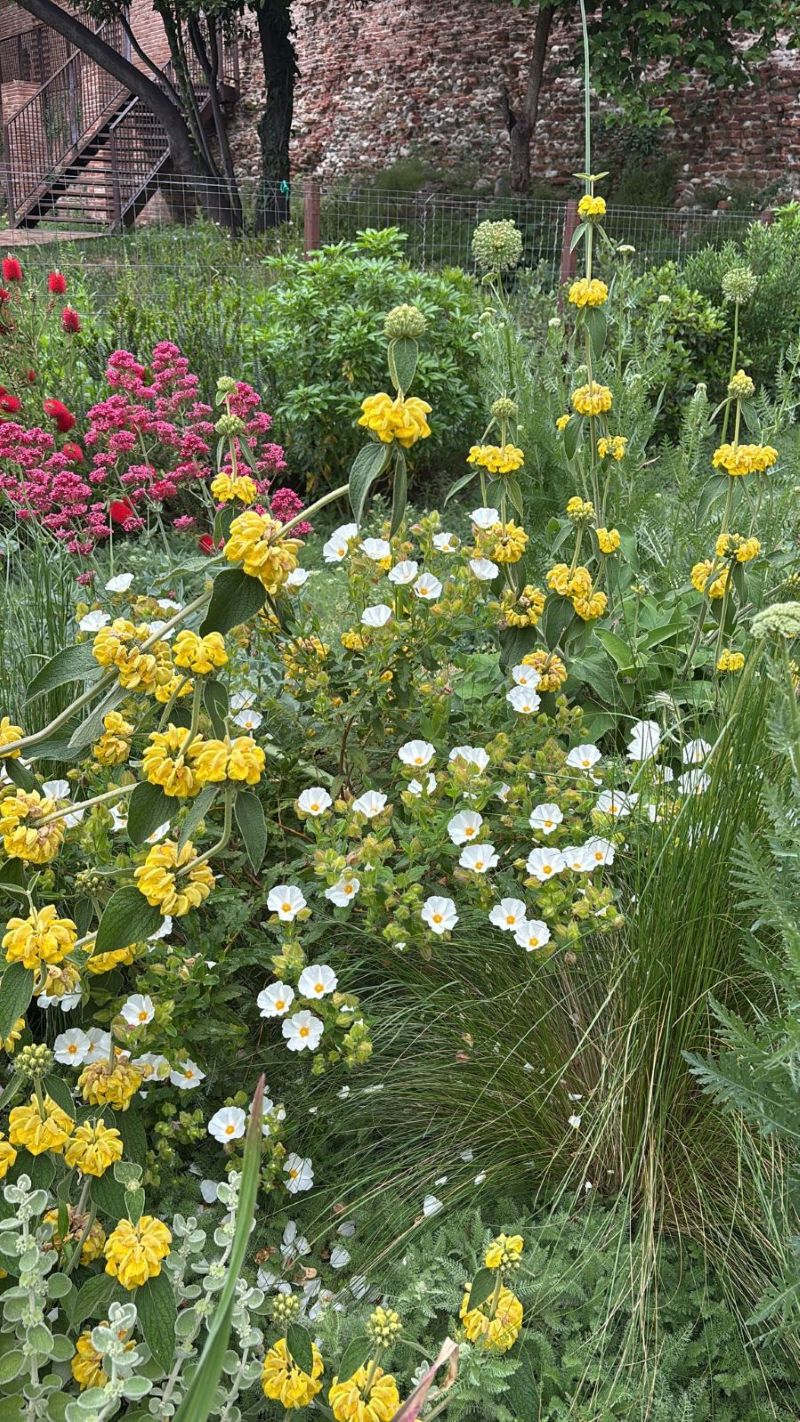
This project reimagines a neglected garden enclosed within the historic walls of Castelfranco Veneto, transforming it into a resilient Mediterranean landscape that celebrates biodiversity, seasonality and a strong sense of place. The imposing brick walls create a unique microclimate, allowing Mediterranean planting to thrive while establishing a striking dialogue between architecture and nature.
My design was driven by the client’s desire for a beautiful, low-maintenance garden with minimal water, fertiliser and management requirements, while providing a peaceful space to experience the garden through sight, scent, texture and sound. Replacing the existing lawn with a drought-tolerant planting scheme also created new opportunities to support birds, pollinators and other wildlife.
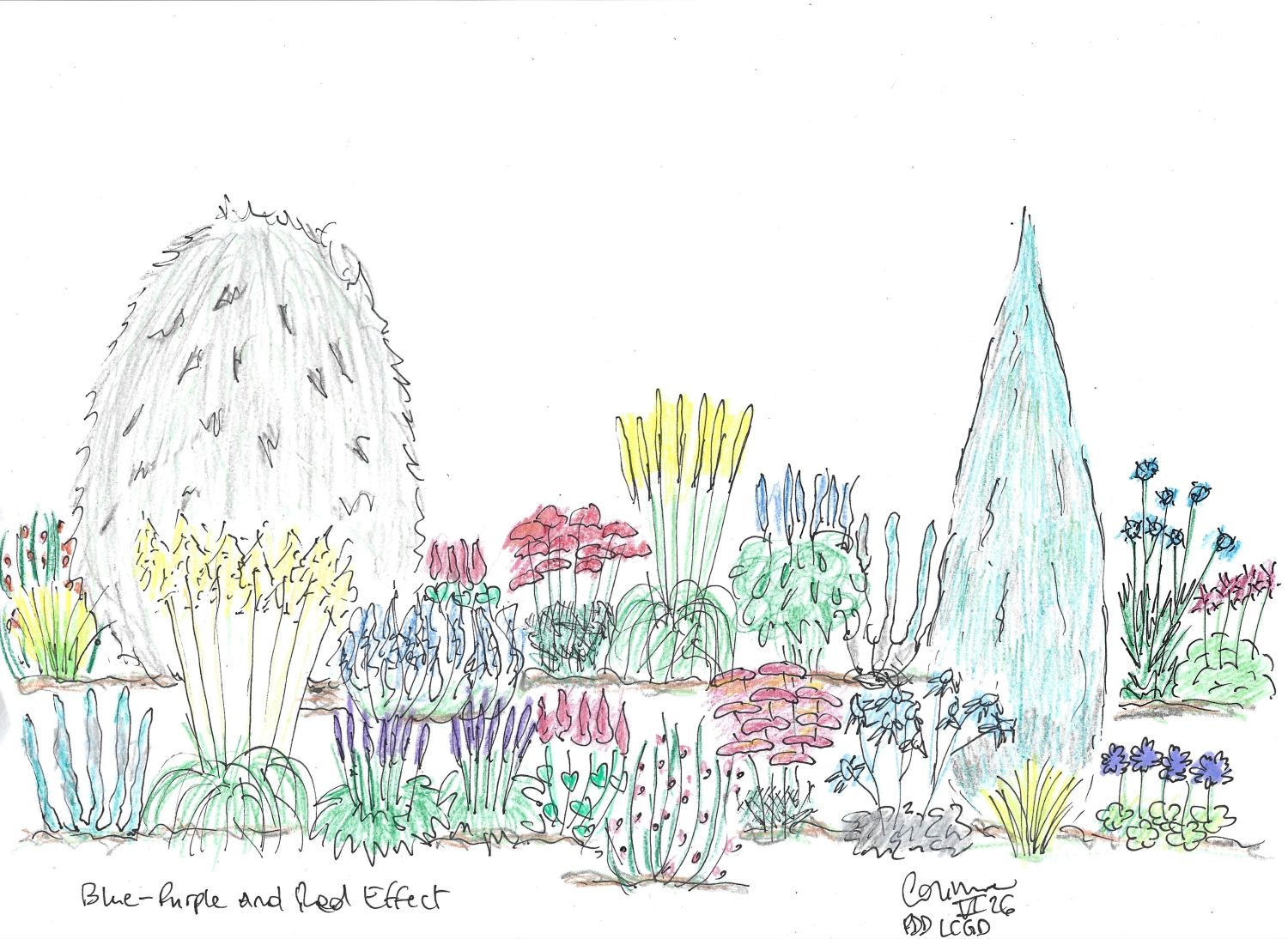
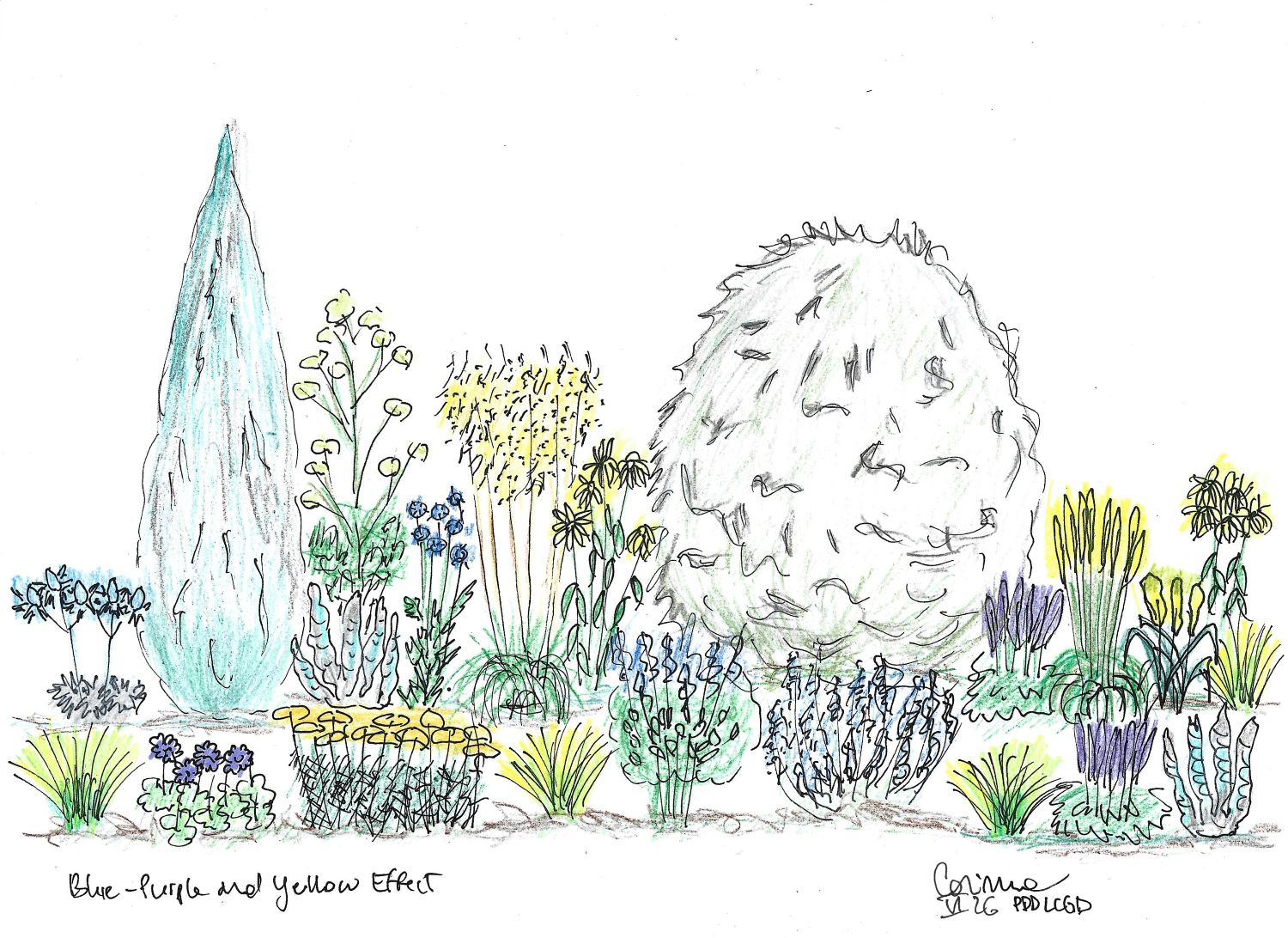
Inspired by Mediterranean gravel gardens and the work of designers such as Olivier Filippi and James Basson, I developed a naturalistic planting composition that embraces the site’s poor soil rather than trying to overcome it. Evergreen shrubs establish the permanent framework, while herbaceous perennials, grasses and bulbs provide movement, texture and a succession of colour throughout the year. Geometry and naturalism are carefully balanced throughout the design. The trapezoidal shape of the site is echoed to create rhythm and structure, while sweeping, curvilinear planting softens the composition and reinforces the feeling of a naturally evolving Mediterranean landscape.
Above all, this garden demonstrates my belief that ecological planting and beauty are inseparable. By responding to the site’s conditions rather than imposing upon them, the design creates a landscape that is climate-resilient, rich in biodiversity and deeply connected to its historic setting.
Concept
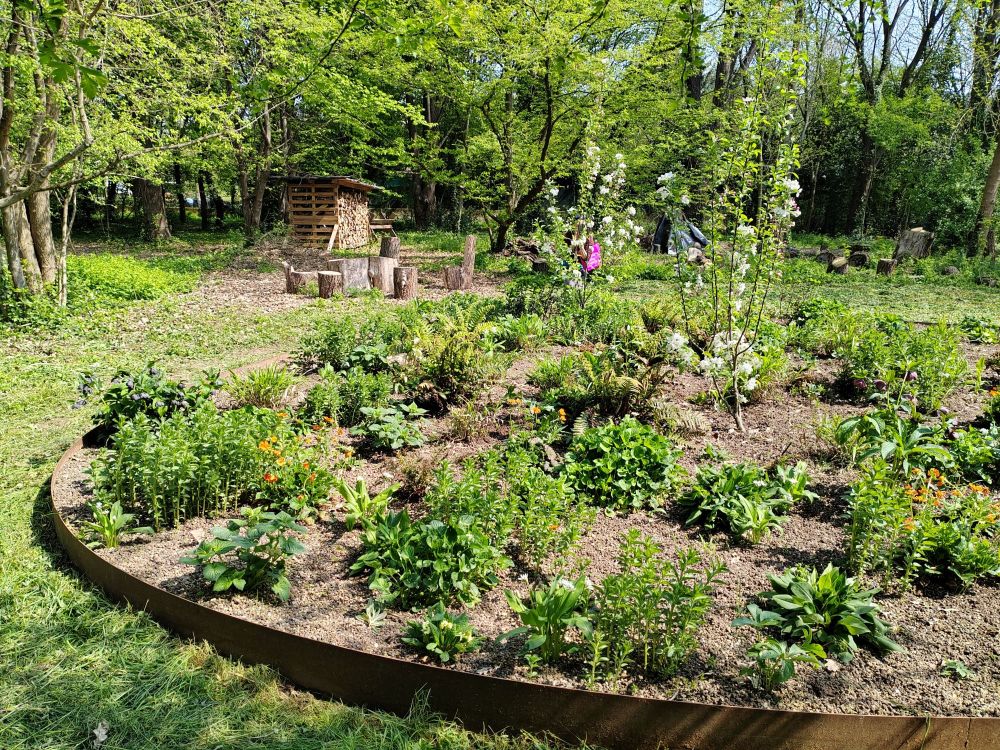
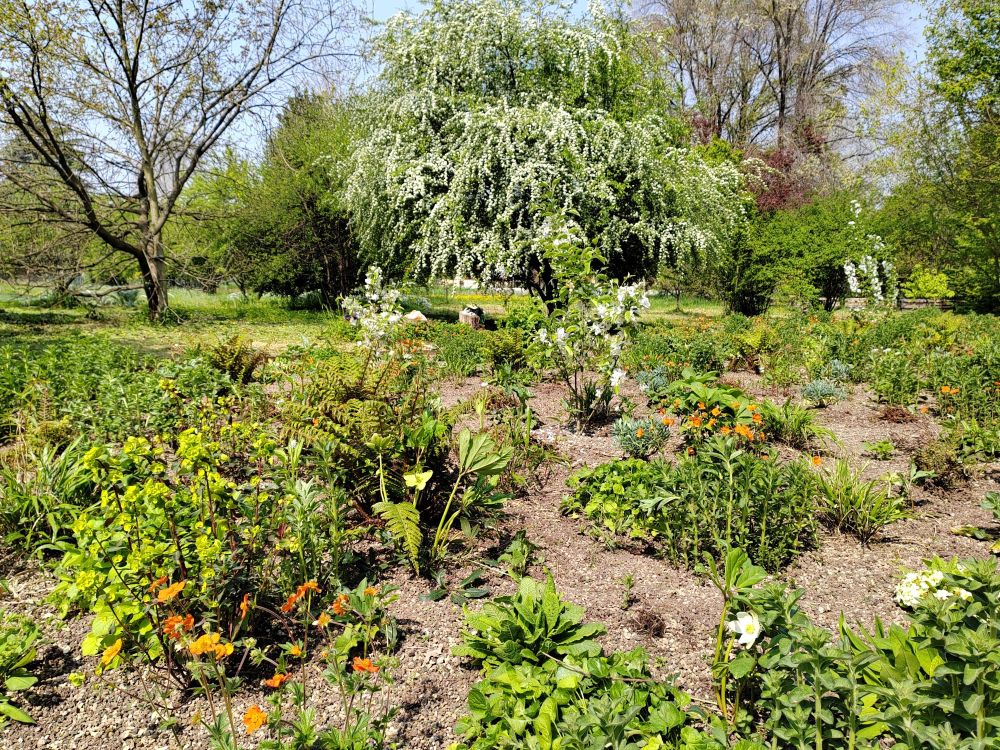
A planting design project for a regenerative agricultural estate in the Prosecco Hills of Veneto, a UNESCO World Heritage landscape.
The design translates the principles of circularity, regeneration and sustainability into a garden experience. Inspired by concentric forms, the layout creates a sequence of interconnected planting zones, each expressing a different atmosphere, character and ecological function.
Planting Design
The garden combines formal, naturalistic and ecological planting approaches:
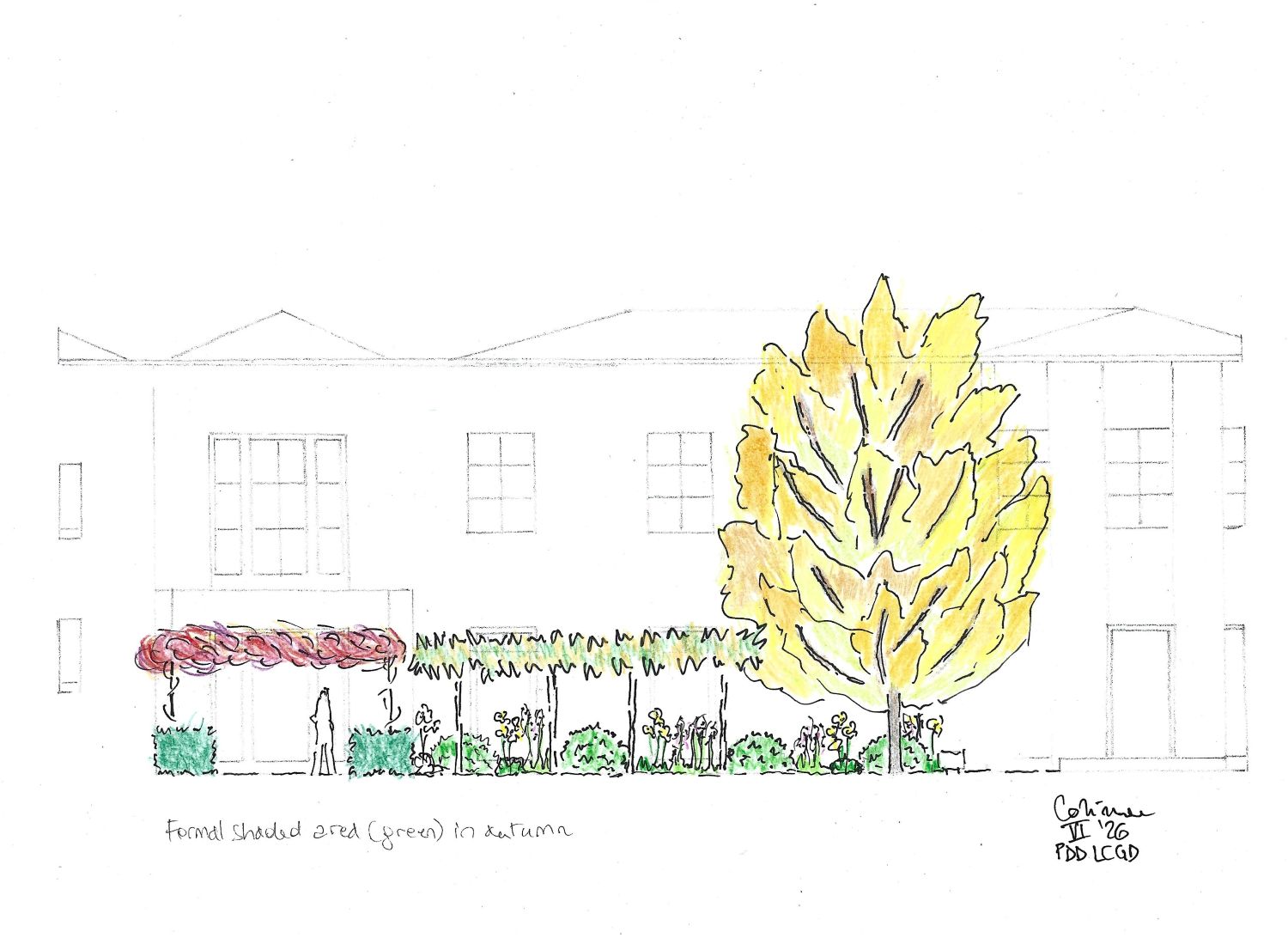
– Formal Renaissance-inspired garden: a contemporary interpretation of Italian garden traditions, using clipped forms, Mediterranean evergreens and structured planting to create rhythm and elegance. Shaded garden and pergola: a woodland-inspired area with fruitless mulberries, shade-tolerant perennials and seasonal bulbs, connected by a Parthenocissus-covered pergola.
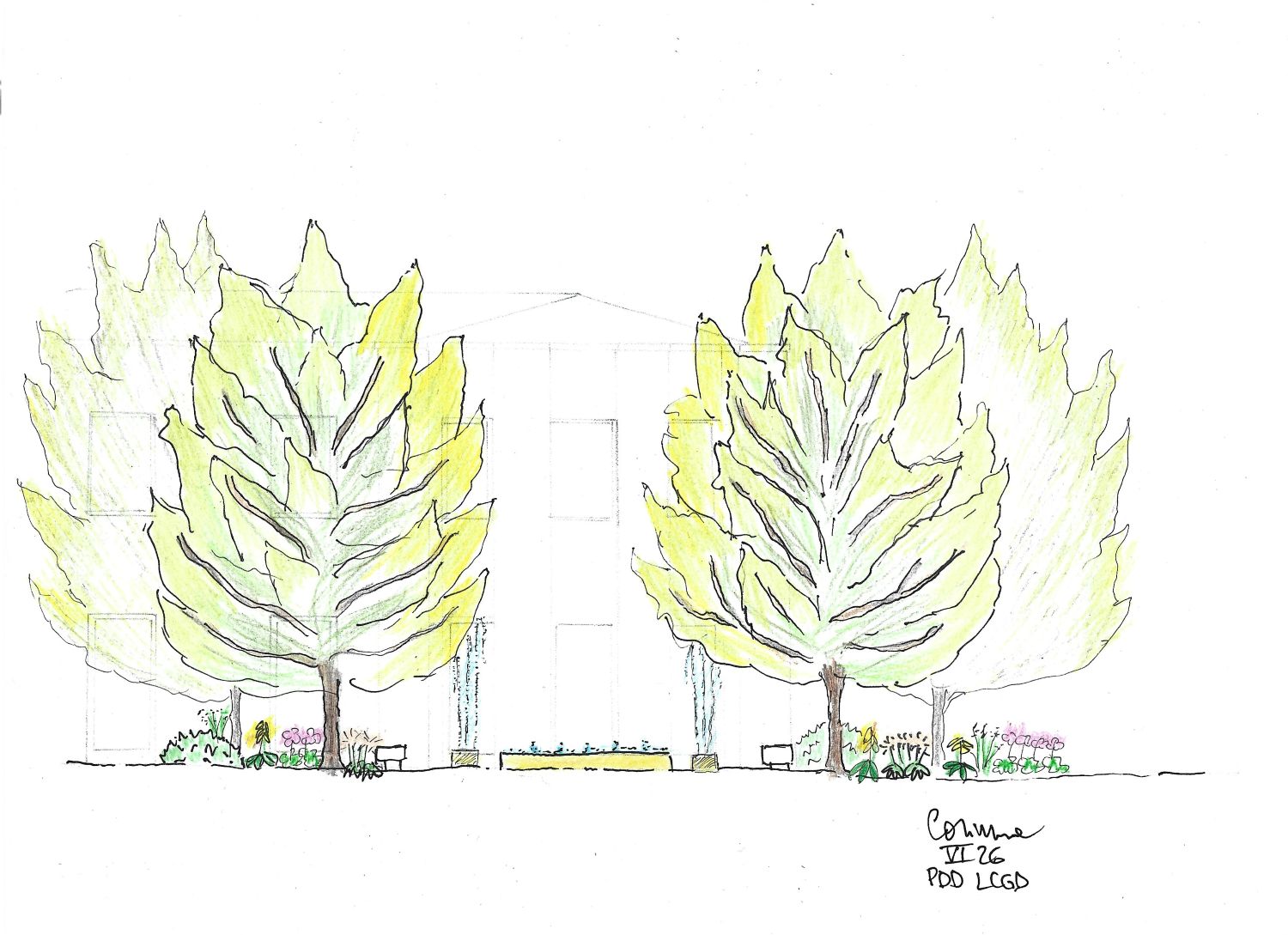
– Water garden: the central sensory space, where a reflective water feature, woodland planting and Gleditsia triacanthos ‘Sunburst’ create a calm and restorative atmosphere.
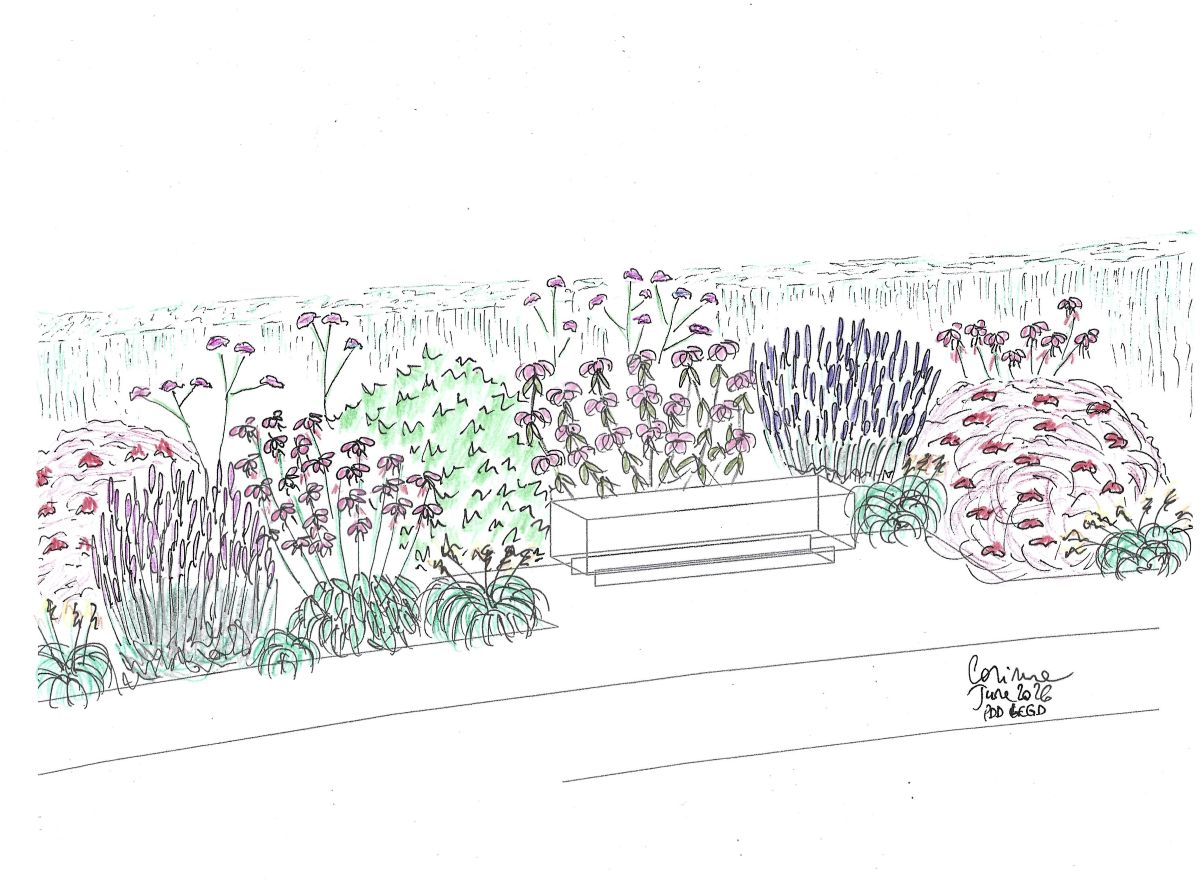
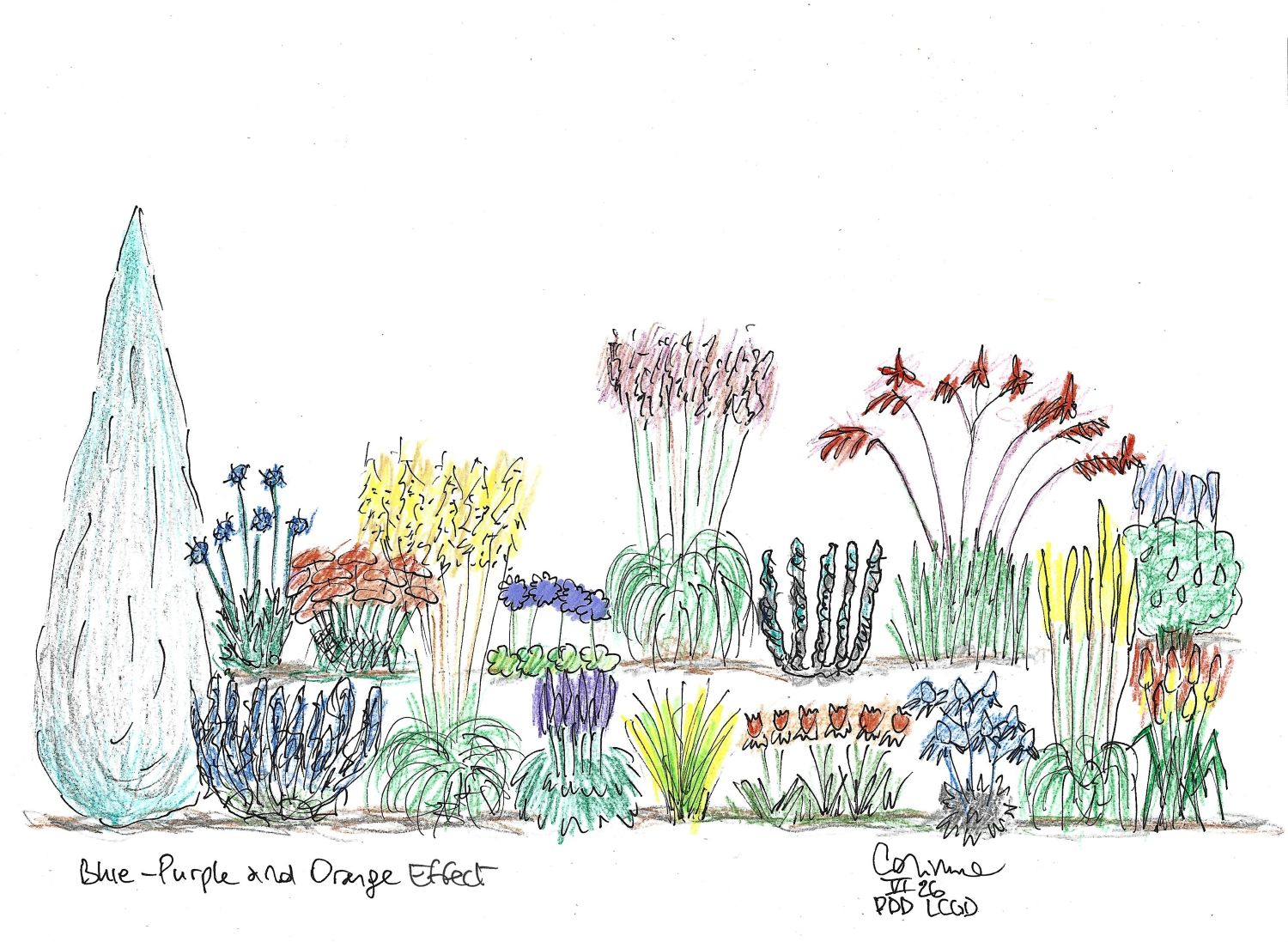
– Naturalistic planting area: a dynamic ecological planting scheme combining structural plants, ornamental grasses and flowering perennials to provide seasonal colour, movement and habitat for pollinators.
– Wildflower meadow: inspired by lowland hay meadows, creating a biodiverse transition between the designed garden and the surrounding landscape.
Xeric containers: architectural drought-tolerant planting introduces Mediterranean character and year-round interest around the buildings.
Sustainability & Biodiversity
The plant palette responds to local soil and climatic conditions, reducing resource requirements and increasing long-term resilience. Diverse planting structures and extended flowering periods support pollinators, beneficial insects and wildlife.
Outcome
The Orbital Garden transforms the principles of regeneration and circularity into a landscape journey, creating a balance between cultural heritage, ecological value and visitor experience.